Story
Ulpotha: the full story
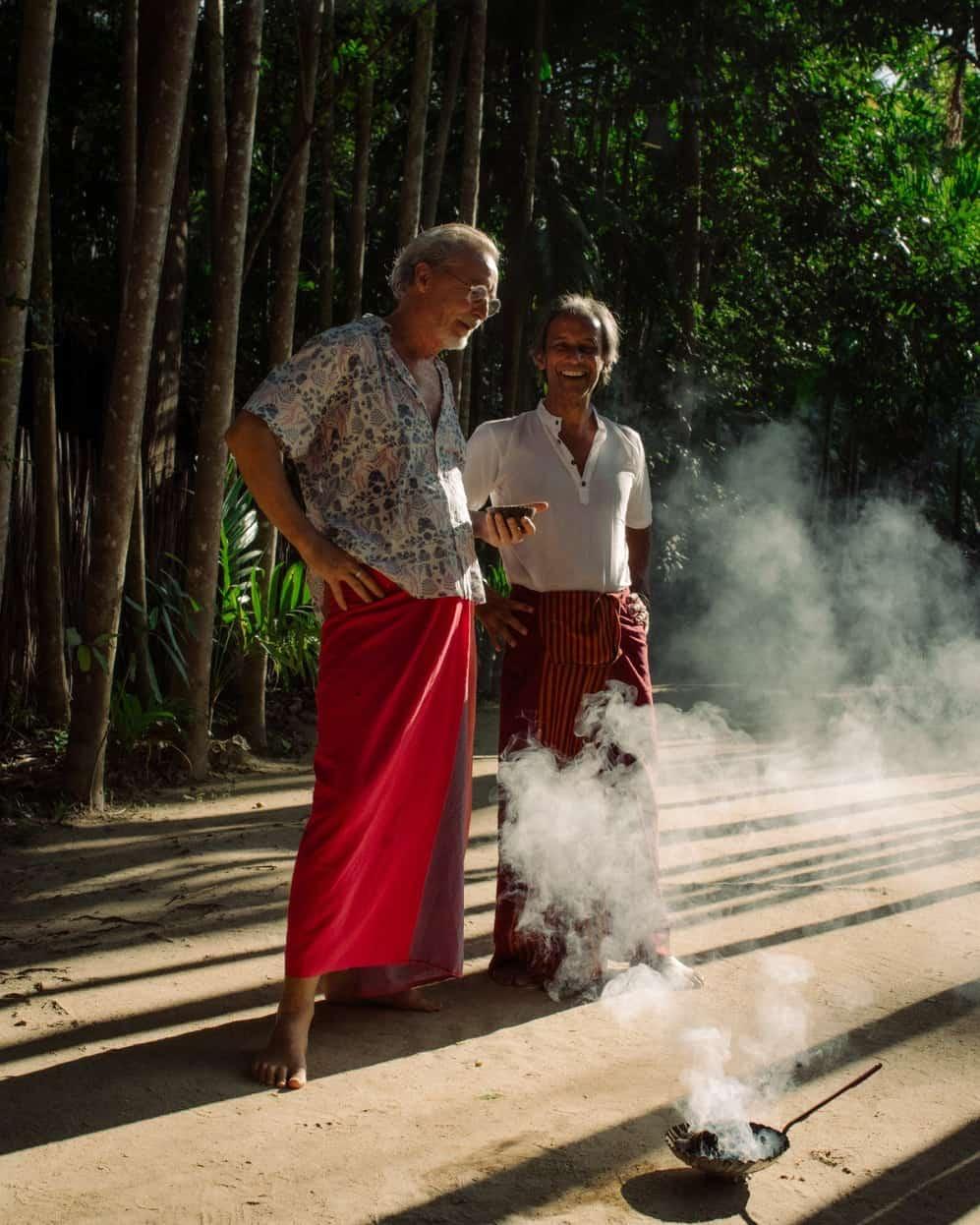
The origin and ideals of Ulpotha, before yoga and Ayurveda became part of its story. By co-founder Viren Perera, as he wrote it.


Story
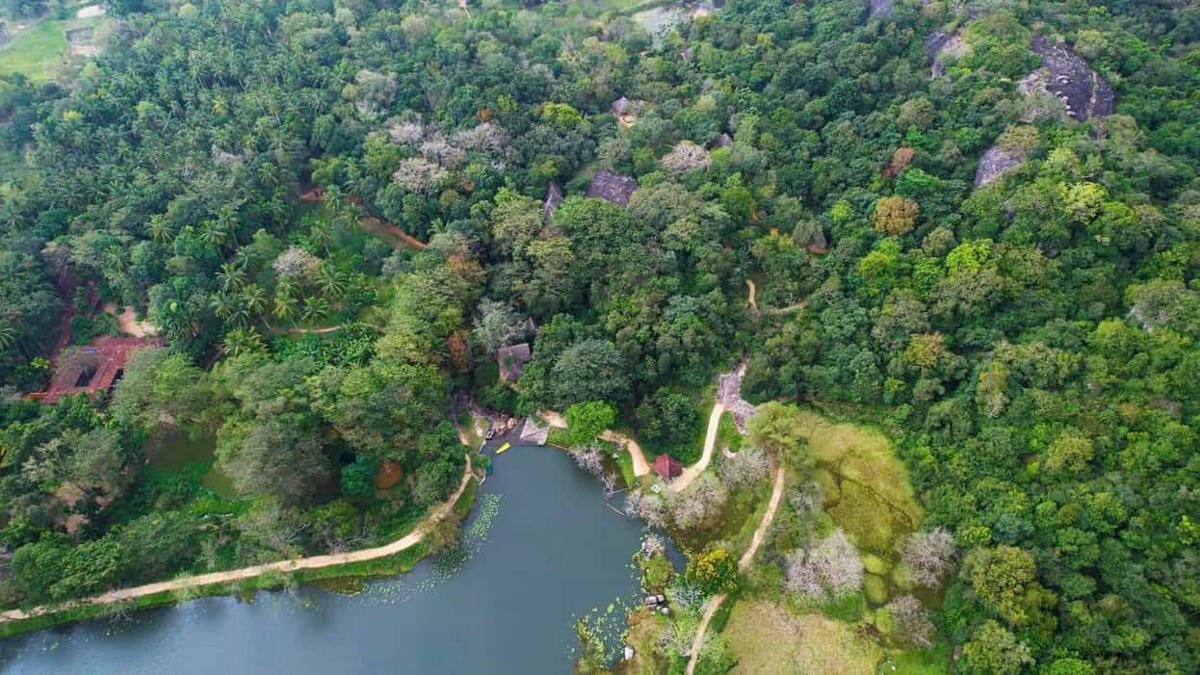
In 1997 a small group of guests made their way to a village in the foothills of the Galgiriyawa mountains for what was, at the time, an experiment: a yoga retreat in a place with no electricity and no intention of becoming a hotel. Thirty years later Ulpotha still has no electricity, the only reliable phone signal is up by the tank, and it has never become a hotel.
1994: a piece of land nobody was looking for
Viren Perera was not looking to buy land when he visited the area in 1994. He was there with two friends, Tennekoon and Manik, with no particular plan, when he came across Ulpotha and its old walauwa, the manor house at the centre of the estate. He bought it, and it was the first of many happy accidents in Ulpotha's story.
Tennekoon and Manik already had form. They had built a mud hut in the grounds of a five-star hotel in Colombo, designed by Ashley de Vos, one of Sri Lanka's best-known architects and a passionate advocate of building in mud. Together, the three of them shaped a plan. Viren would rebuild the walauwa as a holiday home. Tennekoon and Manik would look after the land and, with Viren's backing, bring their Puranagama project to life there: a revival of the traditional Sri Lankan village, with its farming and its way of living.
1996: Giles arrives
In 1996, Viren invited his friend Giles Scott to come out from London and help with Ulpotha. There was no business plan. The idea was to have fun with the place and give Giles a break from London.
Not long after, back in London, Giles met the wife of a yoga teacher at a party and told her Ulpotha would be perfect for yoga. That conversation led to an experimental retreat with her husband, John Scott, one of the most respected Ashtanga teachers in the world.
1997: the first retreat
The first guests arrived in 1997, and Ulpotha has been welcoming people for yoga and Ayurveda ever since. Manik left in 1998. Tennekoon, Giles and Viren carried on together until Tennekoon died in 2005, and Manik died in 2008. Their spirit, and the village they helped to rebuild, is still very much here.
What has stayed the same
When the founders opened Ulpotha to guests, they changed as little as possible. Thirty years on, most of what our first guests found is still here.
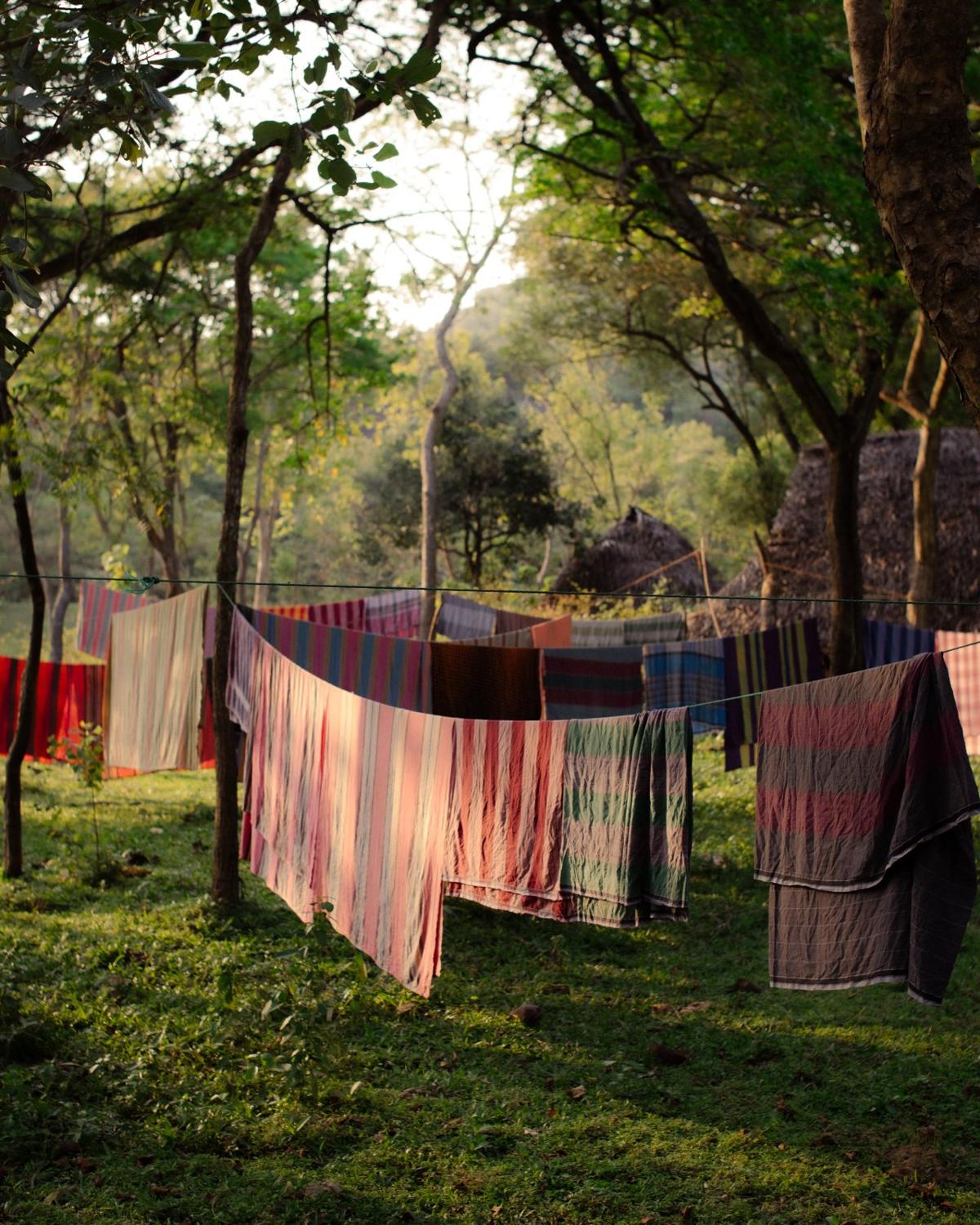
The village. Ulpotha is a working village first and a yoga retreat second. The paddy fields around the tank are still farmed the traditional way, with the bunds between the plots rebuilt by hand each season, and much of what we eat, which is mostly organic and vegetarian, is grown on the land.
The mud huts. You sleep in mud huts set among the trees, and fall asleep to the sounds of the jungle.
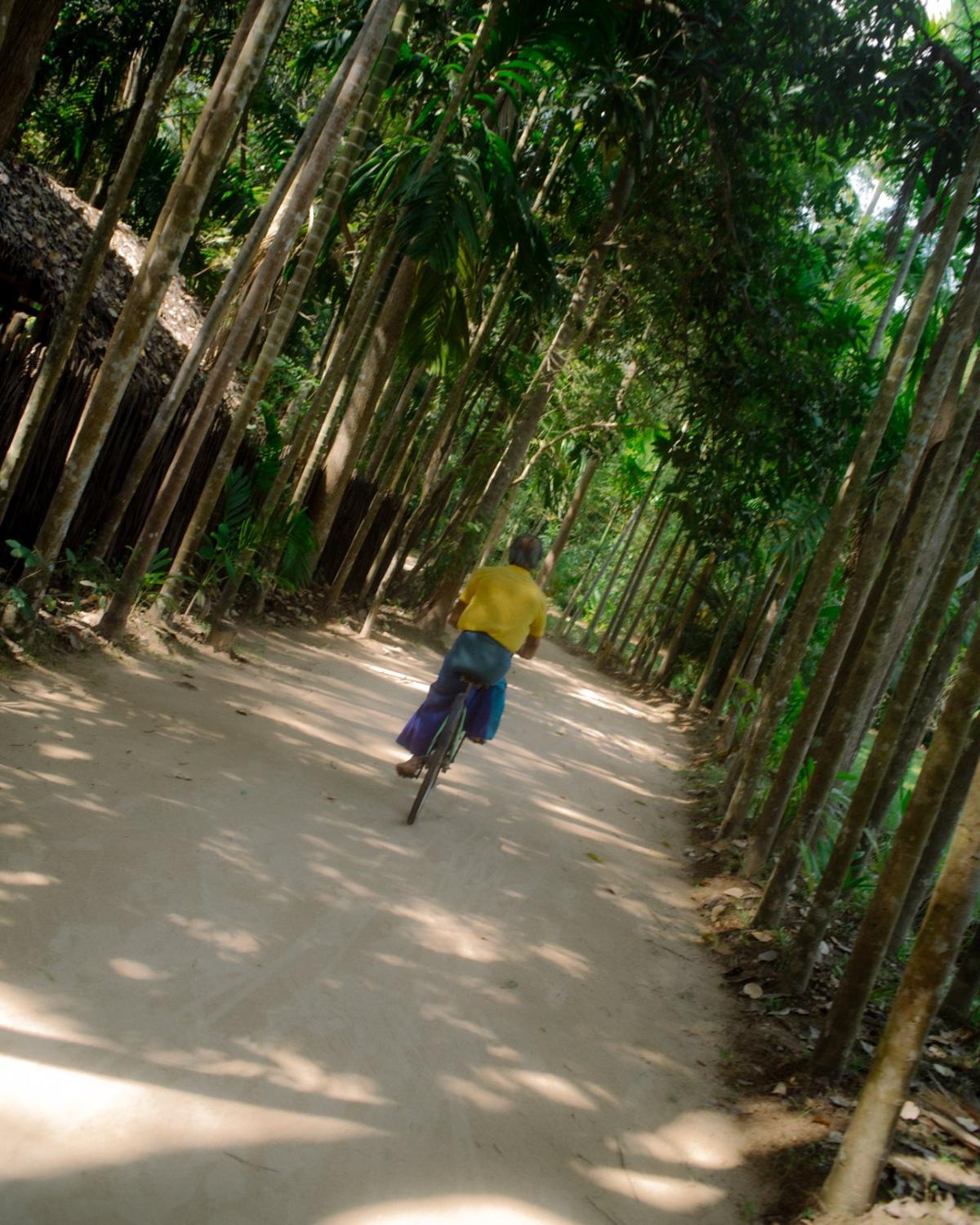
No electricity. Lanterns and oil lamps light the evenings. WiFi is limited, and the only dependable phone signal is up by the tank. A small solar charger keeps phones and cameras going for anyone who needs them.
The ambalama. Meals are vegetarian, freshly cooked for every sitting, and eaten together in the ambalama, the village's gathering place at its heart.
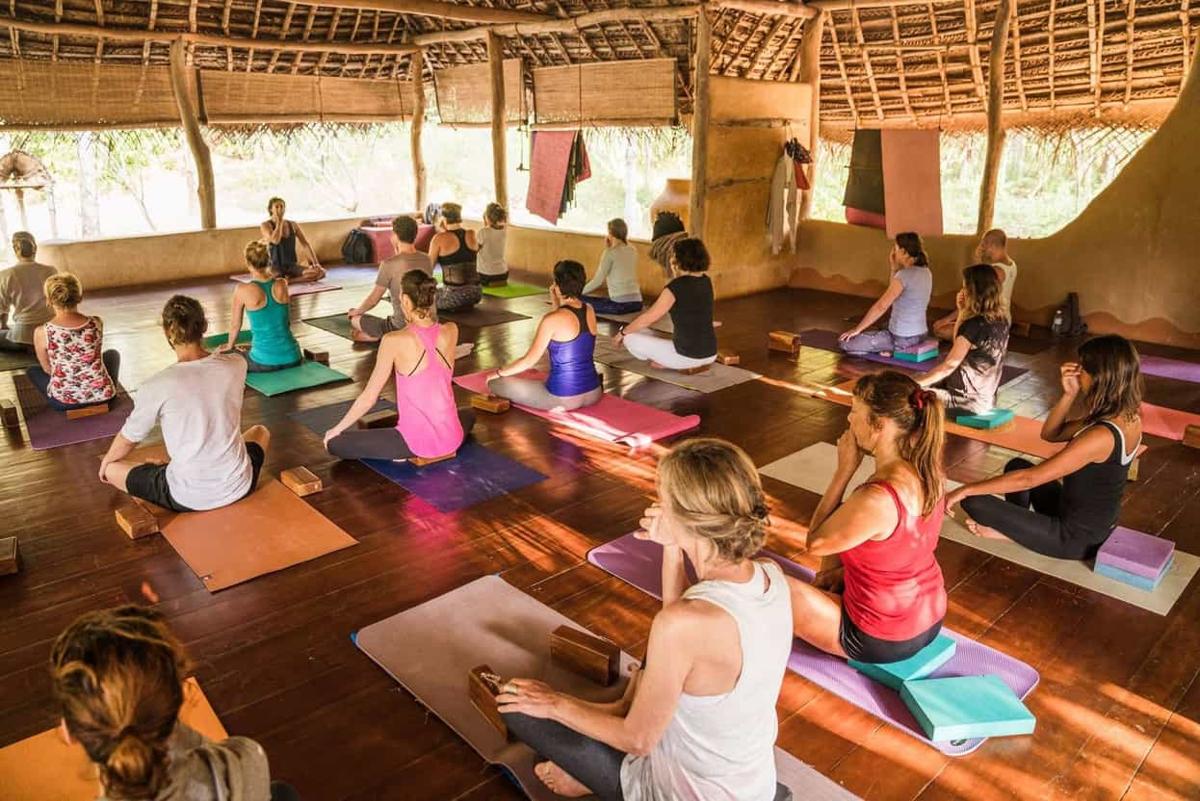
The rhythm of the day. Tea and fruit at seven, yoga in the morning and again in the late afternoon, with the hours in between left free for Ayurveda, massage, swimming in the tank or doing nothing at all. On Thursdays, there is no evening yoga class, and you head out to visit nearby temples and caves.
Ayurveda. Treatments follow Sri Lankan Ayurvedic traditions, and many of you come for these as much as for the yoga.
The seasons. Our retreats still run from November to March and from June to August, with private retreats in the months between.
And perhaps most important of all, the people. The villagers who look after Ulpotha and you, our guests, are its heart, and you talk about their warmth long after you've gone home.
Marking thirty years
We have never gone in for big celebrations, so we are marking our thirtieth year by opening our doors a little wider with 1997 prices for under-30s. There are three places on each retreat, available only by emailing bookings@ulpotha.com.
As with every stay, it covers a shared mud hut, daily yoga and all meals; Ayurveda and transfers are extra. Only three places are available per retreat.
The offer is meant to travel the way Ulpotha always has: through the people who know her. Rather than courting a new audience, Ulpotha is asking past guests to pass it on to their children, and to the young friends and relatives they think would understand the place. True to form, it will not be advertised on the website; you can book only by emailing bookings@ulpotha.com. We deliberately keep Ulpotha within reach of younger travellers at a time when so much wellness travel has priced them out.
The Ulpotha Bursary. Each year we offer three fully funded places on a two-week retreat, including Ayurveda, to people who would not otherwise be able to come. There is no form. We simply ask you to write to us by hand and tell us why. Read about the bursary and how to apply.
Our first yoga teacher training. From 15 August to 7 September 2027 we will host a 200-hour Hatha teacher training led by Samanta Duggal, for twenty students living in the village for 22 days. Find out more about the teacher training.
"We have never tried to fit the narrow expectations of a wellness retreat," says Giles, "and the world has allowed us not only to survive but to flourish. This is our way of saying thank you."
Thank you to everyone who has found their way here over the last thirty years. We hope to see you again soon.
Story
The origin and ideals of Ulpotha, before yoga and Ayurveda became part of its story. By co-founder Viren Perera, as he wrote it.
Yoga
The best yoga retreat in Sri Lanka question is a relatively easy one to answer in our opinion but takes longer to research than people...
Planning
Sri Lanka has a season for every traveller. Here's how Ulpotha's retreat windows line up with the island's weather.
Keep exploring
See this season's retreats, meet the teachers and therapists, or choose your dates.