Wellness
When Rest Isn’t Enough: Why a Retreat Is Different from a Holiday
A holiday gives you a break from your life. A retreat, properly done, changes something in it, which is why it's almost impossible to...

Wellness
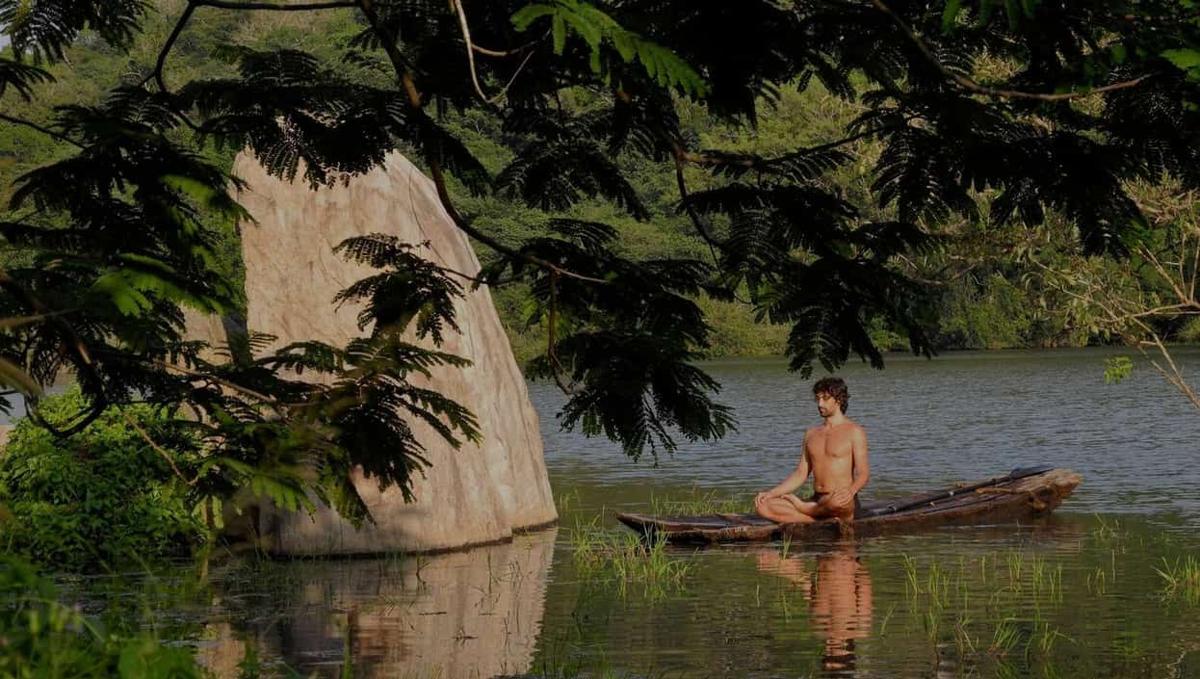
Ulpotha is Sri Lanka’s original yoga retreat. It is a working organic village in the north-central dry zone, run by a community of villagers, that opens to guests for two-week off-grid retreats six months of the year. There is no electricity, no Wi-Fi, no phones, no clocks. Most people who come to Ulpotha are looking for something that the modern wellness retreat can no longer provide. A reset and return to self that goes deeper than a week of green juice and a guided meditation app.
In the present moment at Ulpotha, Sri Lanka's oldest yoga retreat
The first night at Ulpotha is the strangest. You arrive after a four-hour drive from Colombo into a village that has neither electricity nor a single mobile phone in the dry-zone lowlands of Sri Lanka. The light goes at half past six or thereabouts. There are solar lights placed in the trees and oil lamps along the paths and beside the open-sided mud-and-thatch huts where you sleep. The sound is birds, then frogs, then nothing identifiable. You wonder, briefly, as you lie there surrounded by the noises of the jungle, whether you have made a mistake and if you will even sleep.
Waking up on the third or fourth morning, you understand. You are sleeping the way you did as a child. The body has stopped fighting something it had been fighting for a very long time; your cortisol levels drop and your nervous system starts its journey towards a reset.
Ulpotha is Sri Lanka's original yoga retreat. It is a working organic village in the north-central dry zone, run by a community of villagers, that opens for two-week off-grid retreats six months of the year. There is no electricity, no Wi-Fi, no phones apart from in your huts, no clocks. Most of the people who come to Ulpotha are looking for something the modern wellness retreat can no longer provide. A reset that goes deeper than a week of green juice and a guided meditation app.
Off-grid is a word that has been worn down by overuse along with the word 'retreat'. Many of the so-called off-grid retreats in Sri Lanka and around the world offer Wi-Fi in common areas, air conditioning in the rooms, charging points by the bed, and a concierge who will book your private chef and onward flights. The product is hospitality with an off-grid aesthetic, which is absolutely not the same thing.
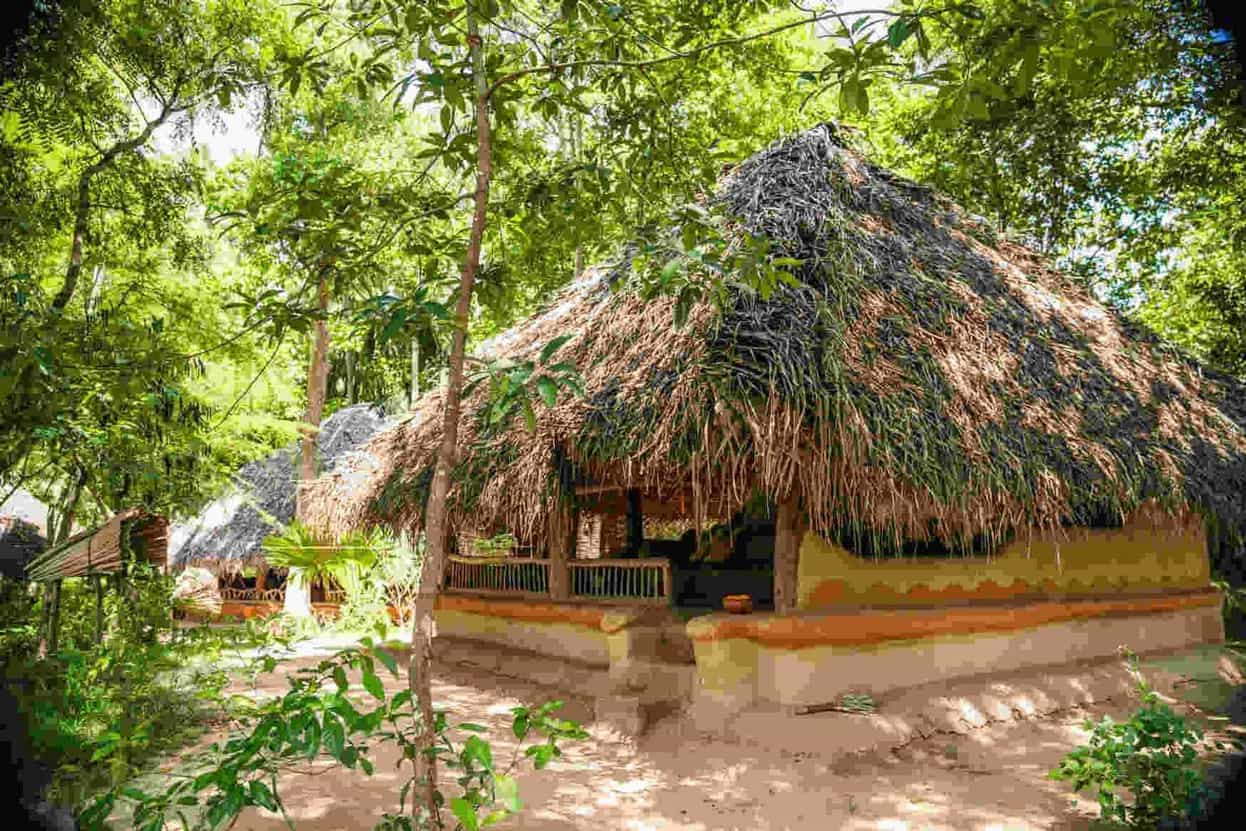
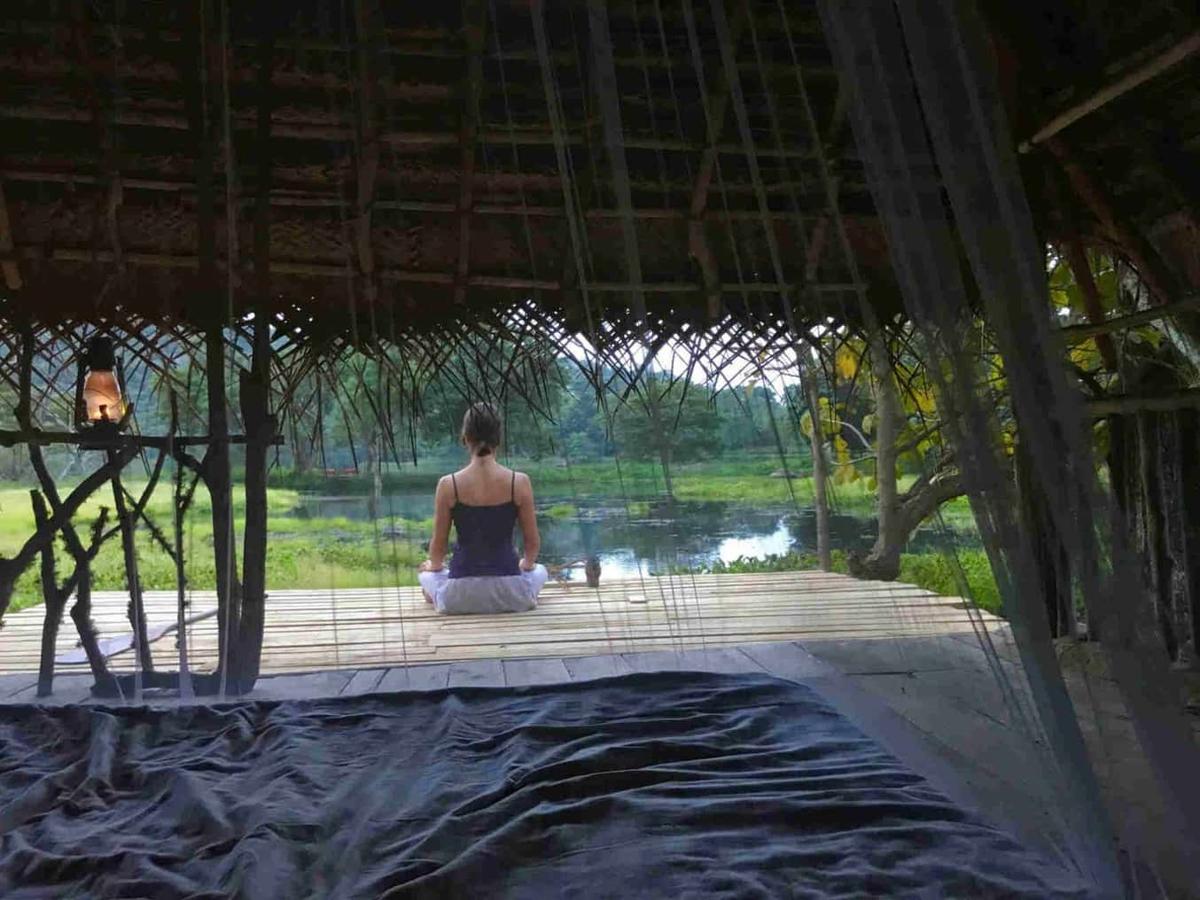
There's no pretence here, Ulpotha is genuinely off-grid. The wattle-and-daub huts are open-sided and are lit by an oil lamp. There is no plug socket because there is no power line running to the village. The kitchen runs on wood fire and the water comes from the well. The organic vegetarian food is grown on the estate by the villagers. There is one satellite phone for emergencies, kept by the management, not used by guests. If you want to know what time it is, you look at the sun, and if you want to message home, you write a postcard (don't worry, there is one spot which has a signal if you need to phone home!).
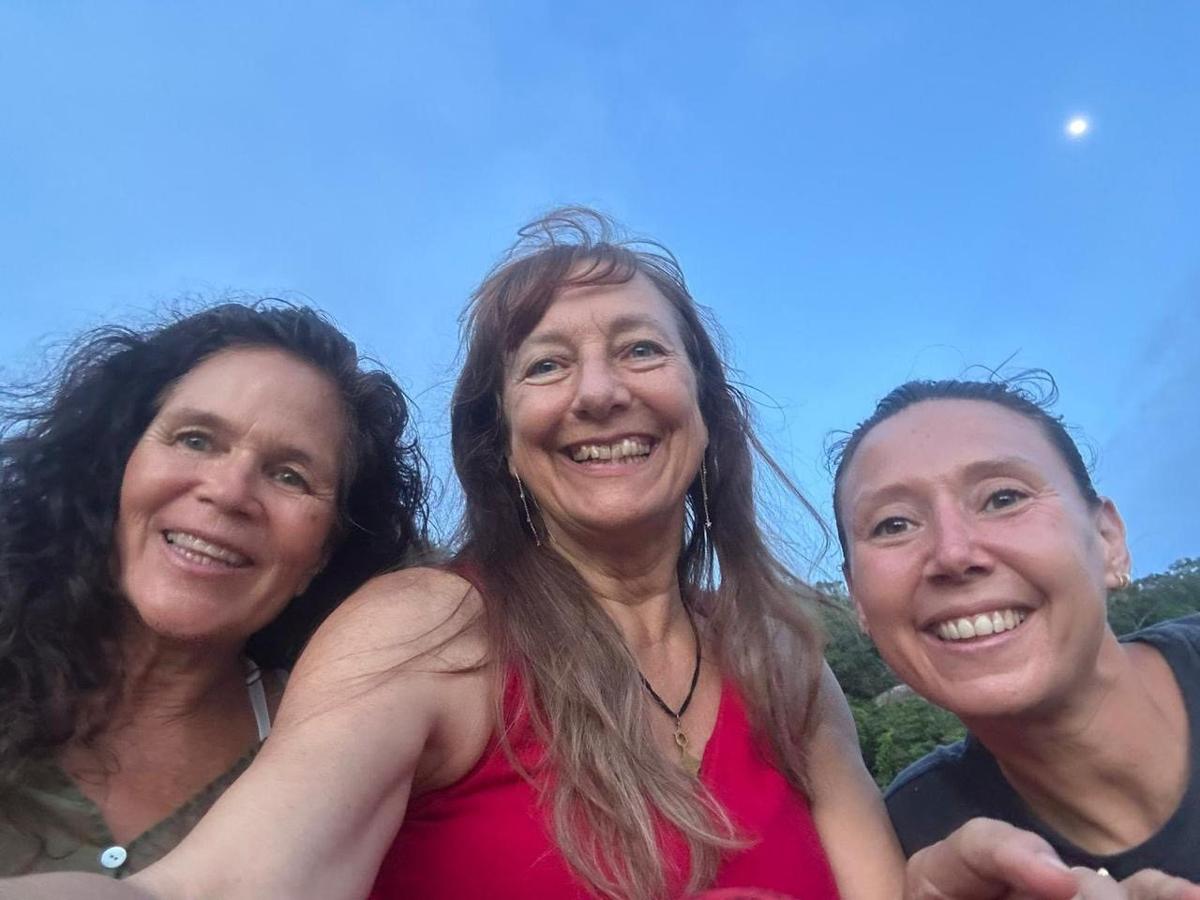
For most people, this is uncomfortable for about 48 hours, then becomes the point of the trip. 'comfort zone is a lovely place, but nothing ever grows there' anon.
A serious body of work in longevity, sleep medicine, and stress research now points to a small set of factors that, repeated over a lifetime, extend healthspan and help us all to live well for longer, i.e., longevity. Almost all of them are environmental and almost none of them are pharmaceutical.
Low light at night, so the pineal gland releases melatonin in the way it was designed to. Daily physical movement, of the kind that gently mobilises rather than exhausts the body. Whole, unprocessed food, mostly plants. Time outdoors in the sunlight and nature. Direct contact with the earth. Reduced exposure to electromagnetic and digital input. Strong social connection. Deep, uninterrupted sleep.
Almost no modern luxury wellness retreat delivers all of these conditions at once. They deliver some of them, then put air conditioning, screens, scheduled programmes, and a medical doctor with a prescription pad on top, and the gains then cancel each other out.
Ulpotha delivers all of them by accident, because they are simply how the village and villagers have always lived.
You will spend most of your two weeks at Ulpotha barefoot. The earth is warm. The paths are made of swept clay, and underfoot, you have soil, stone, and leaves. Walking around barefoot allows you to ground yourself without even thinking about it.
The research on grounding, or earthing, is still emerging, but the practice has been part of Ayurvedic and Buddhist traditions for thousands of years. Walking barefoot on natural surfaces has been linked to lower cortisol levels, reduced inflammatory markers, and improved heart rate variability. None of this is magic. It is what the body does when it is allowed to make contact with the ground that produces it.
At most luxury wellness retreats, you walk on polished concrete and travertine, in branded slippers, in conditioned air. At Ulpotha, you walk on the earth, with the sun on your back, and you can feel the difference within days, no before and after photos needed.
All food at Ulpotha is grown on the Ulpotha estate. It is organic, vegan, and cooked in the traditional Sri Lankan way in pots over wood fire. Rice and curry, parippu, gotukola sambol, pol roti, kiribath wrapped in banana leaf, jackfruit, fresh papaya, king coconut water still cold from the well.
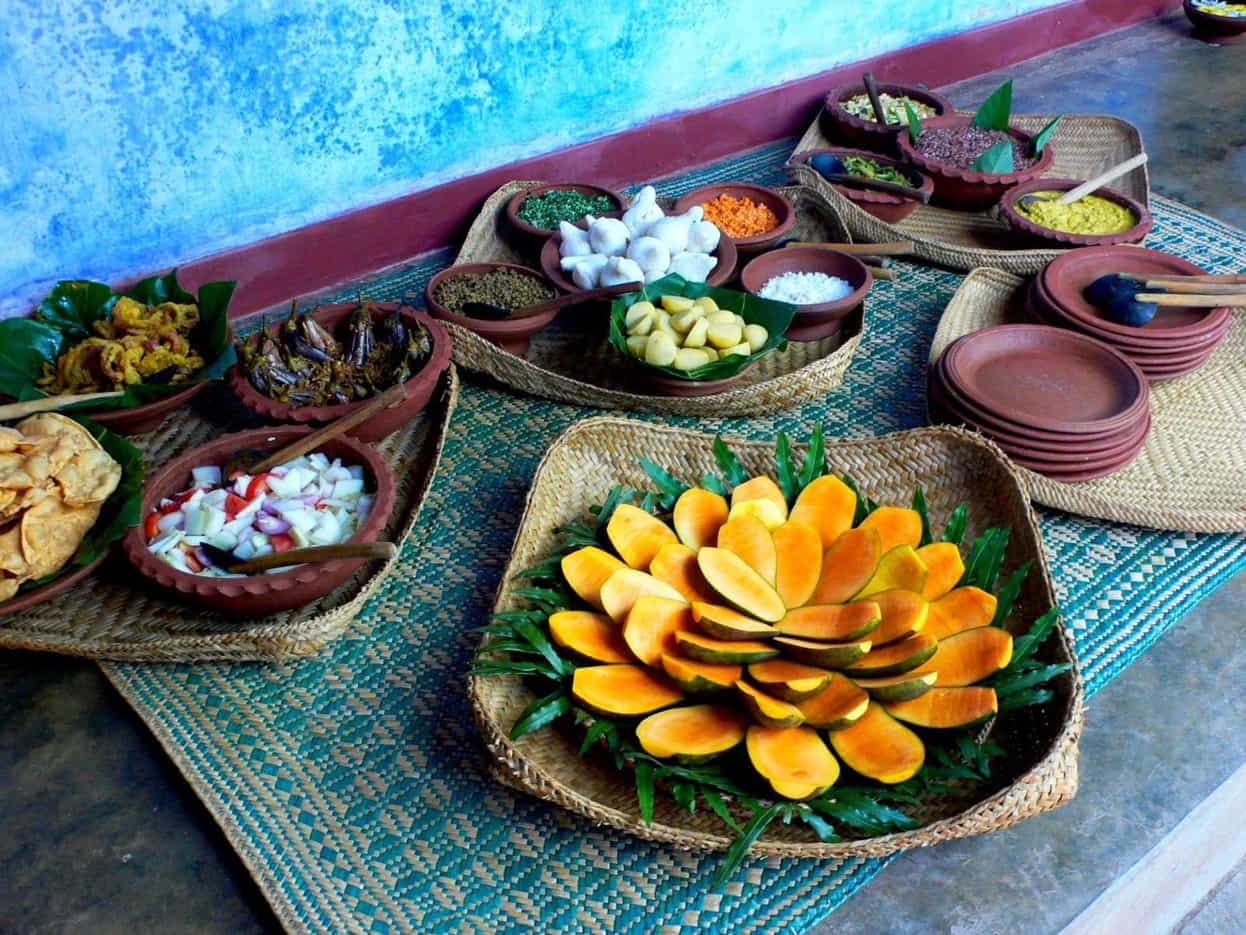
There is no menu. There are no calorie cards and no separate gluten-free station, no chef-deconstructed wellness plate. The food is simply what the kitchen has cooked, served on banana leaves and clay plates, eaten with your hands or with a spoon.
This is closer to how human beings have eaten for almost all of their history than to the carefully designed wellness restaurant model that now dominates the retreat sector. The gut responds quickly. Sleep improves, digestion settles, and energy stops crashing in the afternoon; there are no sugar highs and sudden lows. By week two, most guests have stopped thinking about food at all, which is itself a kind of repair.
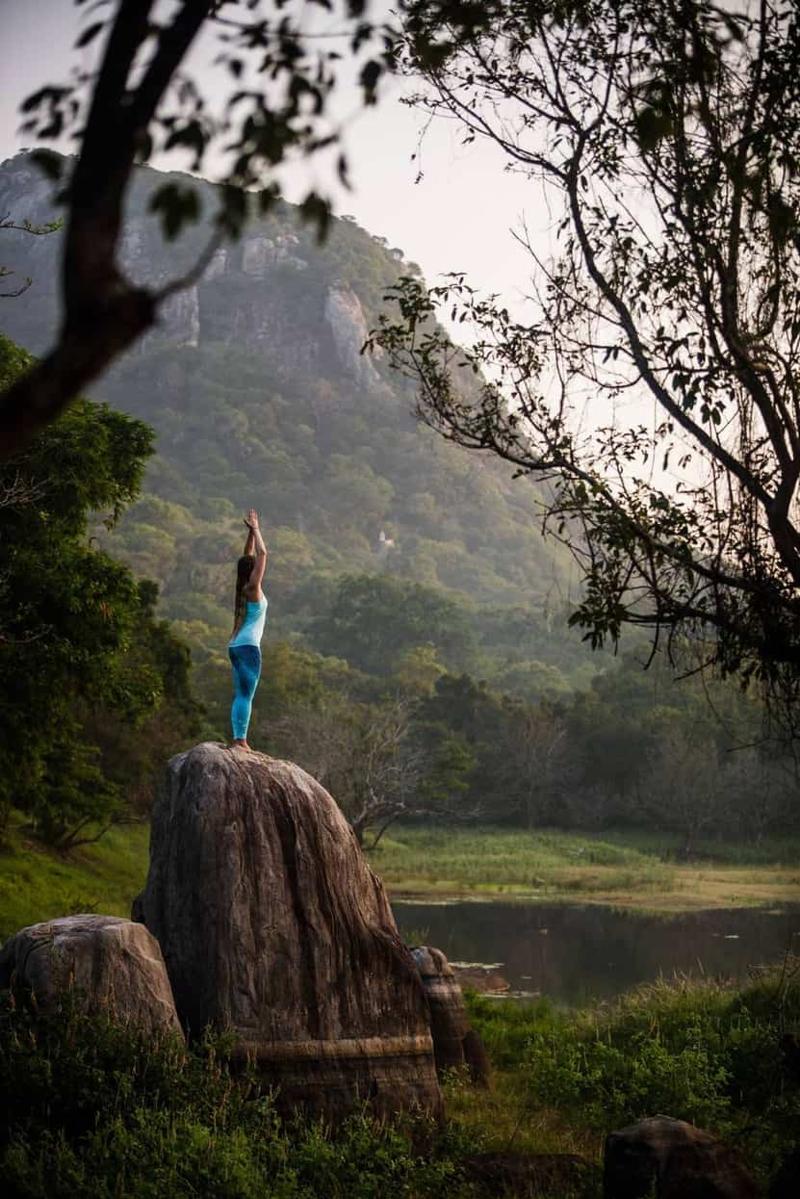
Ulpotha holds two yoga sessions a day, in the morning and afternoon, taught by international teachers who have been coming to the village for many years. The practice is whatever the teacher leading that retreat teaches. Hatha, vinyasa, yin, restorative, depending on who is in residence. The classes happen in the yoga shala, an open-sided pavilion, on wooden floors, with the sound of the jungle around you. We provide all the yoga equipment you may need, though many guests like to bring their favourite yoga mat.
There is no schedule beyond the two yoga classes and the meals. There are no email reminders, no fitness apps, no required check-ins. You turn up if you want to, at Ulpotha, you have the freedom of choice to do what you want, when you want and where you want. You walk to the lake instead if you want to. You read for four hours under a tree if you want to. The two-week format is what does most of the work. The body, given enough time and the right conditions, knows how to recalibrate without being told what to do.
This is yoga as the tradition meant it. Not a sequence of timed cues over a microphone, but a practice that fits inside the wider rhythm of the day, the season, and the village.
The Ayurvedic team at Ulpotha is one of the most respected in Sri Lanka. Treatments are led by Dr Srilal, who has been with the village for decades, using traditional protocols and herbal oils prepared on the estate from plants grown in the gardens.
Abhyanga, the full-body warm oil massage, lowers cortisol and improves sleep onset, as decades of clinical work on the practice now confirm. Shirodhara, the slow continuous pouring of warm oil across the forehead, drops the nervous system into a state close to early sleep while you remain conscious. Herbal steam, head and foot treatments, dietary advice based on your specific constitution. The point of these treatments is not luxury. It is the patient, repeated application of a system refined over two thousand years.
This is different from the medical concierge model now appearing at the high end of the wellness retreat market, where Western doctors prescribe peptides and IV drips alongside cold plunge protocols and continuous glucose monitors. Of course, that model has its place, and for some people it works. However, it is an additional layer of intervention on top of an already over-intervened life, and it does not address the original problem: the nervous system has been running hot for years and needs to be allowed to come down.
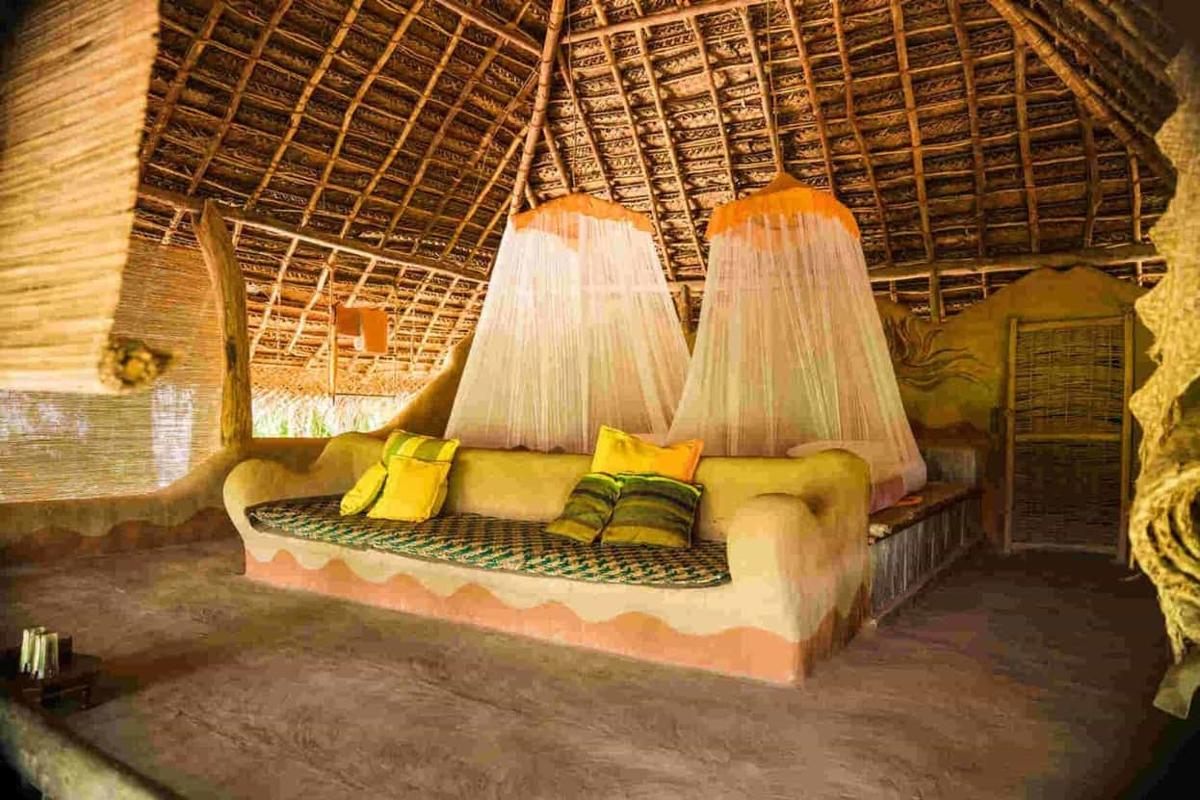
There are no curtains at Ulpotha, because there are no windows or walls in the conventional sense. The huts are open-sided, with a thatched roof and a mosquito net around the bed. The light arrives at dawn, and the birds soon after, and you'll find yourself naturally waking up.
For people who have been waking to phone alarms in dark blue-lit bedrooms for ten or twenty years, this is the single most disorienting change of the first week. By the second week, it is the thing they miss most when they go home.
Waking with the sun aligns the circadian rhythm faster than any supplement can. Within four or five days, most guests are asleep by half past nine in the evening and awake naturally by six in the morning. This is the rhythm the body wants and craves. Most of modern life has been a slow, expensive war against it.
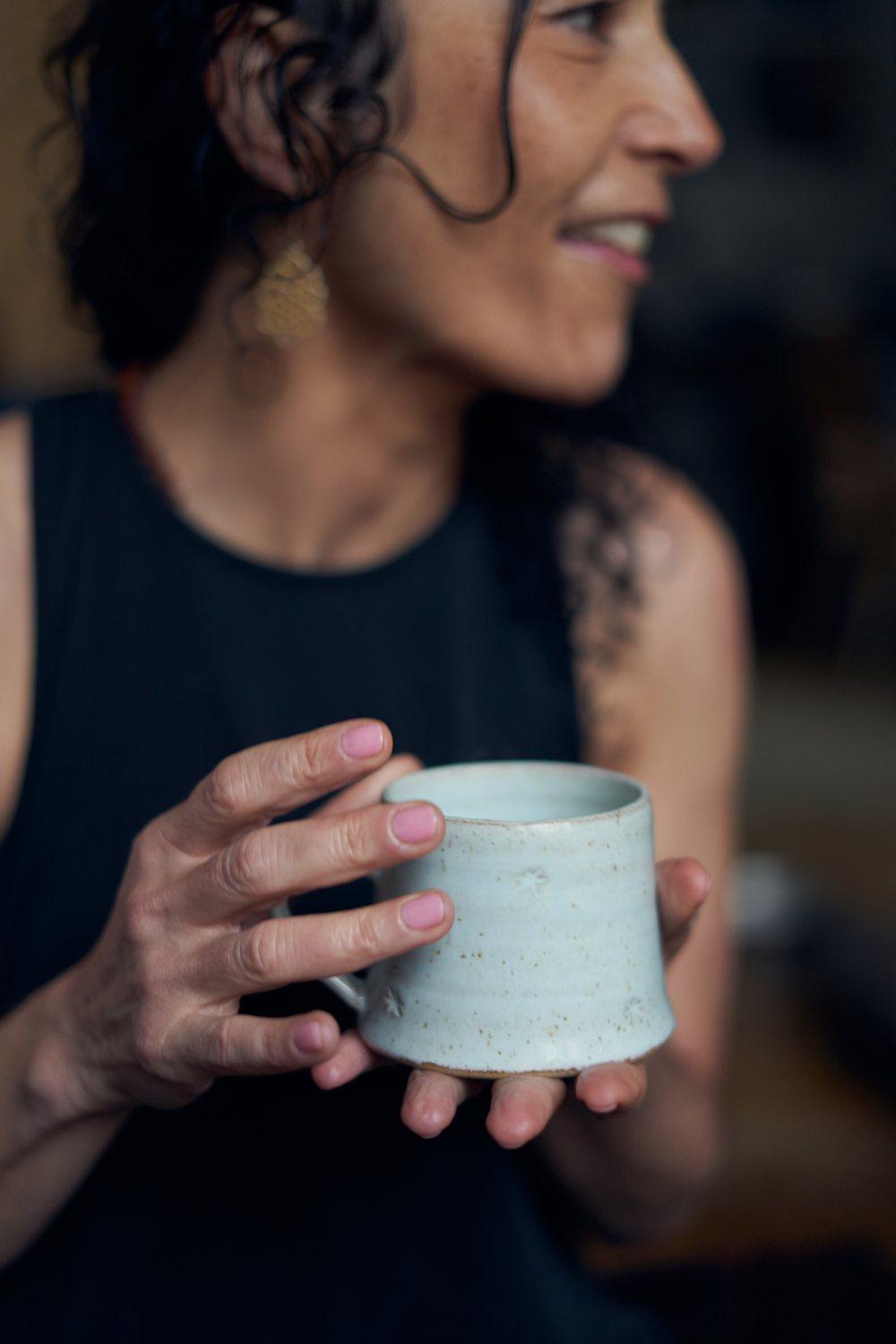
The village at Ulpotha is not a stage set, though it often feels like one, especially in the evenings when the paths are swept and the oil lamps lit. It is a working farming community; the people who cook your food, prepare your treatments, sweep the paths, and pour your tea live in the village. Many of them have been at Ulpotha for thirty years, since it opened. The children of the original villagers now work alongside their parents.
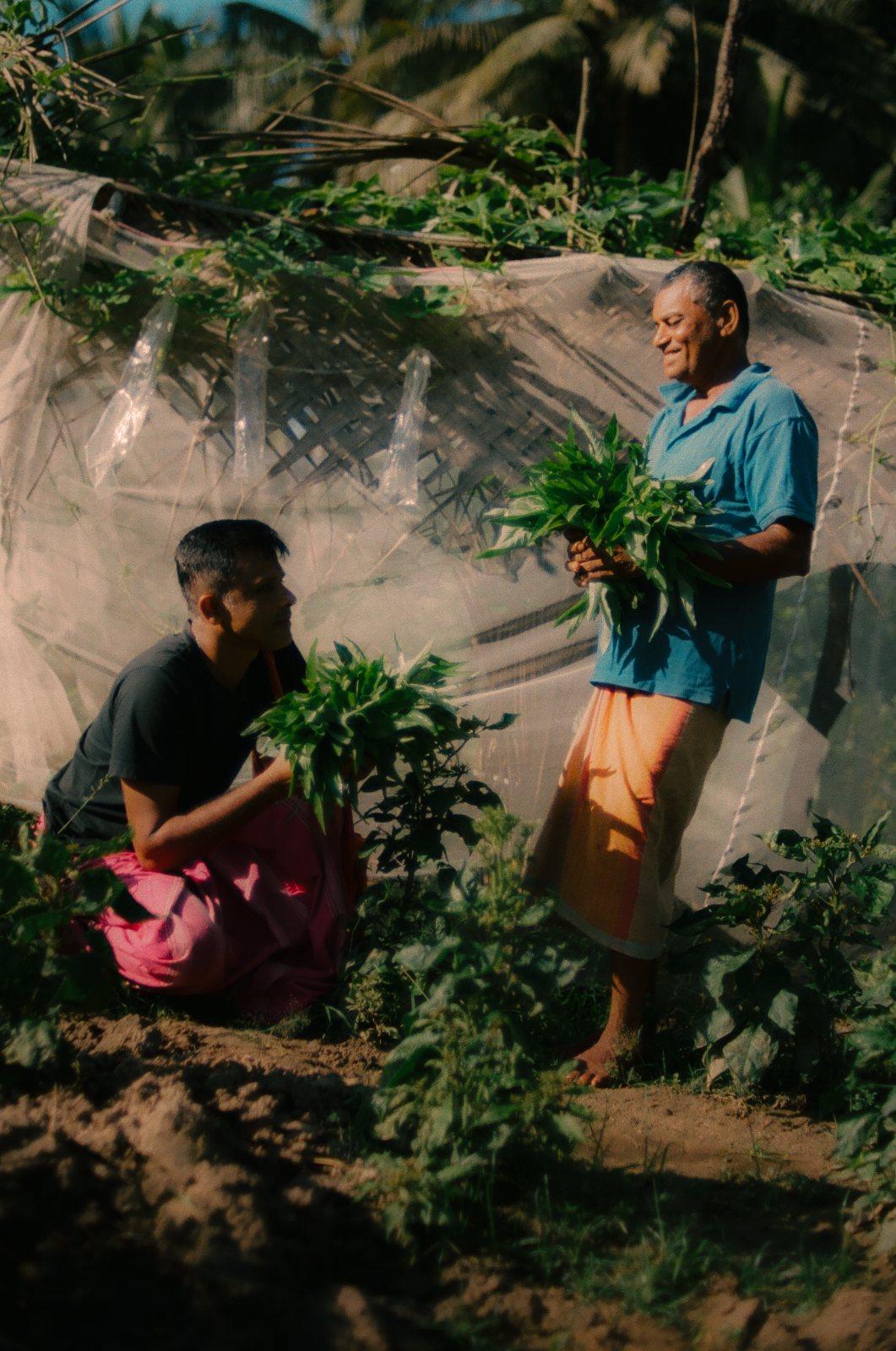
Eating the same food they eat, walking the same paths, watching the same sun rise over the same paddy fields gives the stay a quality that most retreats can no longer manufacture. You are not being served by a hospitality machine. You are living, briefly, in someone else's home, at their pace, by their rules.
Here, at Ulpotha, you live like a local. The slow pace is not staged. It is what the village does. The slowness is the medicine.
A model for the luxury wellness retreat has now spread across Bali, Tulum, Thailand, the south of France, the Algarve, and increasingly Sri Lanka itself. It includes air conditioning, fast Wi-Fi, infinity pools, branded spa products, scheduled fitness classes, biometric tracking, a medical doctor in residence, a nutritionist, a private chef, a coach, and a tightly choreographed daily schedule.
The model works for some people. If what you need is structure and supervision, it will absolutely deliver that.
Ulpotha is the opposite proposition. There is no air conditioning because the huts are open to the air and the nights are cool enough. There is no Wi-Fi, because the absence of a signal is part of what the body craves and is here to learn. There are no biometric trackers, because the only data that matters is whether you are sleeping, eating and breathing better, and you will know that yourself by the end of week one. There is no resident medical doctor with a prescription pad because Ulpotha is not a clinic. There is no schedule beyond the two yoga classes and the meals, and even then, you have the freedom to join in or not.
The difference is not aesthetic. It is philosophical. Ulpotha is built on the assumption that the body, given the right conditions, knows how to repair itself. The modern wellness retreat is built on the assumption that the body needs more inputs, more interventions, more measurement. Both are coherent positions. Only one of them is true to the deeper traditions of yoga and Ayurveda that the wellness industry has been borrowing from for fifty years.
By the end of two weeks, something will have shifted in the body and the mind. You will have slept more deeply than you have in years. You will have eaten food that came from the ground a few hundred metres away. You will have practised yoga every day, usually with two classes outdoors. You will have walked barefoot on the earth every day. You will know, in your body rather than in your head, what a working nervous system feels like, it feels so wonderful, you won't want to leave.
This is the longevity proposition. Not a longer life, exactly. A more present one, lived in a body that is no longer at war with itself.
In 2027, Ulpotha will be thirty years old. For three decades, it has quietly, stubbornly refused to become anything other than what it is. It has remained true to itself and its guests. The people who keep finding their way to the village do so because nothing else like it exists, and because, once you have stayed, the comparison with everywhere else becomes a little hard to ignore. We have been told by many, in fact most guests, that the Ulpotha experience stays with you for months after you have left.
If you have been looking for the best retreat in Sri Lanka, this is the one that almost no one will recommend at first, because it does not advertise itself in any usual way. It will be quietly recommended by someone you trust, whispered to you by a friend often years after they have been, and when the time is right you will know.
What is Ulpotha?
Ulpotha is a working organic village in the north-central dry zone of Sri Lanka, run by a community of villagers. It opens to guests for two-week off-grid yoga and Ayurveda retreats six months of the year, and is Sri Lanka's original yoga retreat. In 2027 it will be thirty years old.
Where is Ulpotha in Sri Lanka?
Ulpotha is in the north-central dry zone of Sri Lanka, about four hours by road from Colombo. The village is reached through paddy fields and forest, and is not visible from any main road. The transfer from Colombo airport is included in the retreat fee.
When can I come to Ulpotha?
Ulpotha opens for retreats six months of the year, broadly November to March in the winter season and June to August in the summer. Each retreat lasts two weeks with a minimum stay of a week. The current calendar of dates and teachers is on the main retreats page at www.ulpotha.com.
Is the food at Ulpotha vegan?
Yes. All food at Ulpotha is vegan, organic, and grown on the estate. It is cooked in the traditional Sri Lankan way over wood fire, and served on banana leaves and clay plates. The only exception is on Friday nights when the villagers join together with us to have some fun and eggs are served as an option.
Is there Wi-Fi or phone signal at Ulpotha?
Ulpotha is genuinely off-grid. There is no Wi-Fi, no mains electricity, no phone signal, and no clocks. There is a satellite phone for emergencies, held by the management. Most guests describe the digital silence as the single most restorative part of the stay. There is a signal up by the lake should anyone need to phone home or receive a call.
Who teaches yoga at Ulpotha?
Each retreat is led by a different visiting senior teacher. Many have been returning to Ulpotha for years. Styles vary by retreat: hatha, vinyasa, yin, restorative, and others. The current calendar of teachers and retreats is on www.ulpotha.com/retreats.
What kind of Ayurveda is offered?
Ulpotha offers traditional Sri Lankan Ayurveda, including Panchakarma. Treatments are led by Dr Srilal and a longstanding team, using protocols and herbal oils prepared on the estate. Treatments include abhyanga (warm oil massage), shirodhara (warm oil poured across the forehead), herbal steam, head and foot work, and treatments tailored to specific constitutions.
What should I expect from a two-week yoga retreat?
Two yoga sessions a day, snacks, drinks, two meals a day, daily Ayurvedic treatments (optional extra), and time. There is no schedule beyond that. By the end of the second week, most guests report sleeping more deeply than they have in years, eating better, and thinking more clearly. The two-week length is part of what does the hard work; however, many guests come for just a week.
Is Ulpotha the best yoga retreat in Sri Lanka?
That is a question that different guests answer differently, and we would not make the claim for ourselves. What we will say is that Ulpotha is the oldest yoga retreat in Sri Lanka, has been running in essentially the same form for nearly thirty years, and is one of the few remaining genuinely off-grid retreats in the country. For people looking for traditional yoga, traditional Ayurveda, and a deep nervous-system reset, it is one of a small handful of properties in Sri Lanka that still offers all three.
Wellness
A holiday gives you a break from your life. A retreat, properly done, changes something in it, which is why it's almost impossible to...
Wellness
Deep in the Sri Lankan jungle, there's a village with no electricity, no Wi-Fi, and no alarm clocks, and it is quietly fixing what...
Wellness
Picture this: no pings, no glowing screens, just the soft rustle of leaves and the jungle’s quiet hum. Tucked deep in Sri Lanka’s green...