Ayurveda
A Beginner’s Guide to Ayurveda: What It Is and Why It Works
Ayurveda is a medical system from the Indian subcontinent with a documented history of around 5,000 years. The name comes from Sanskrit...

Ayurveda
There is a moment at Ulpotha, usually around the third day, when something in you slows down.
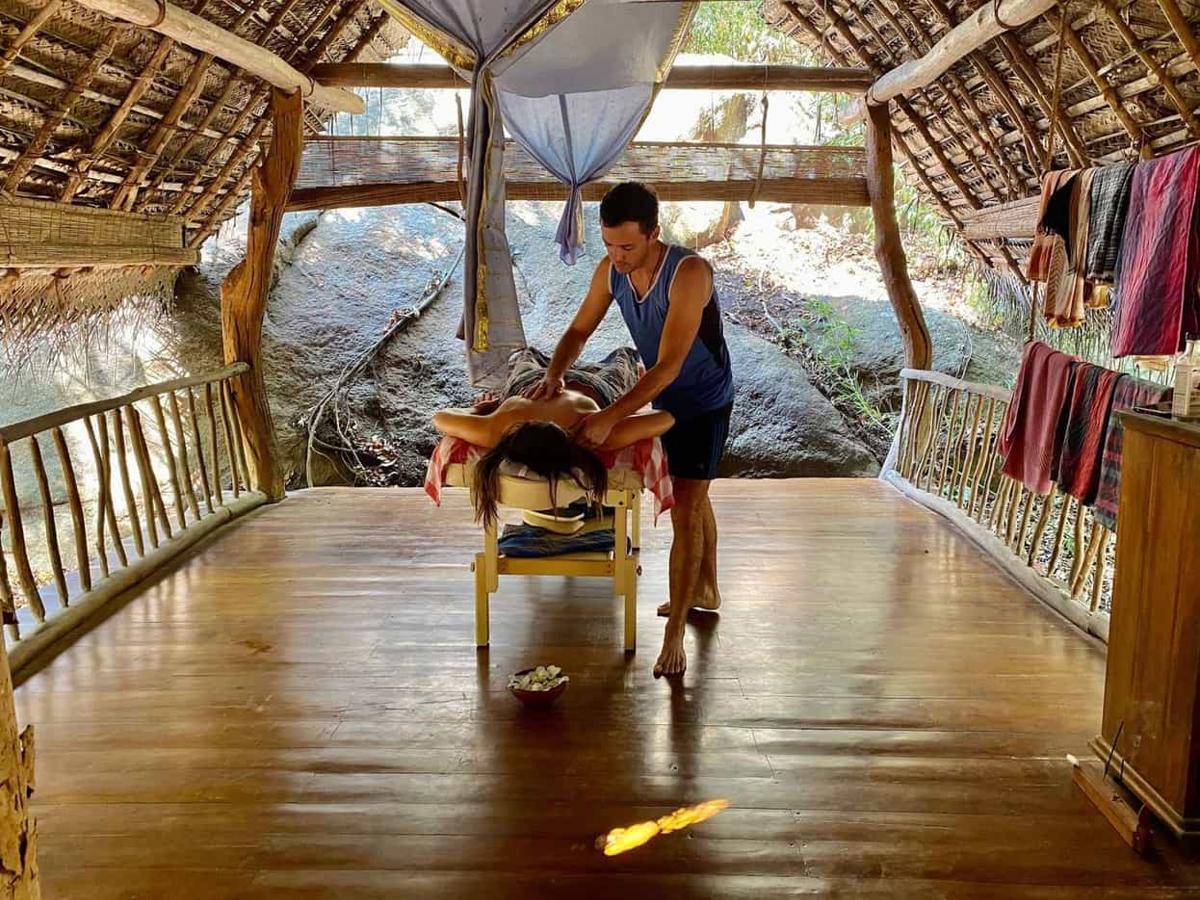
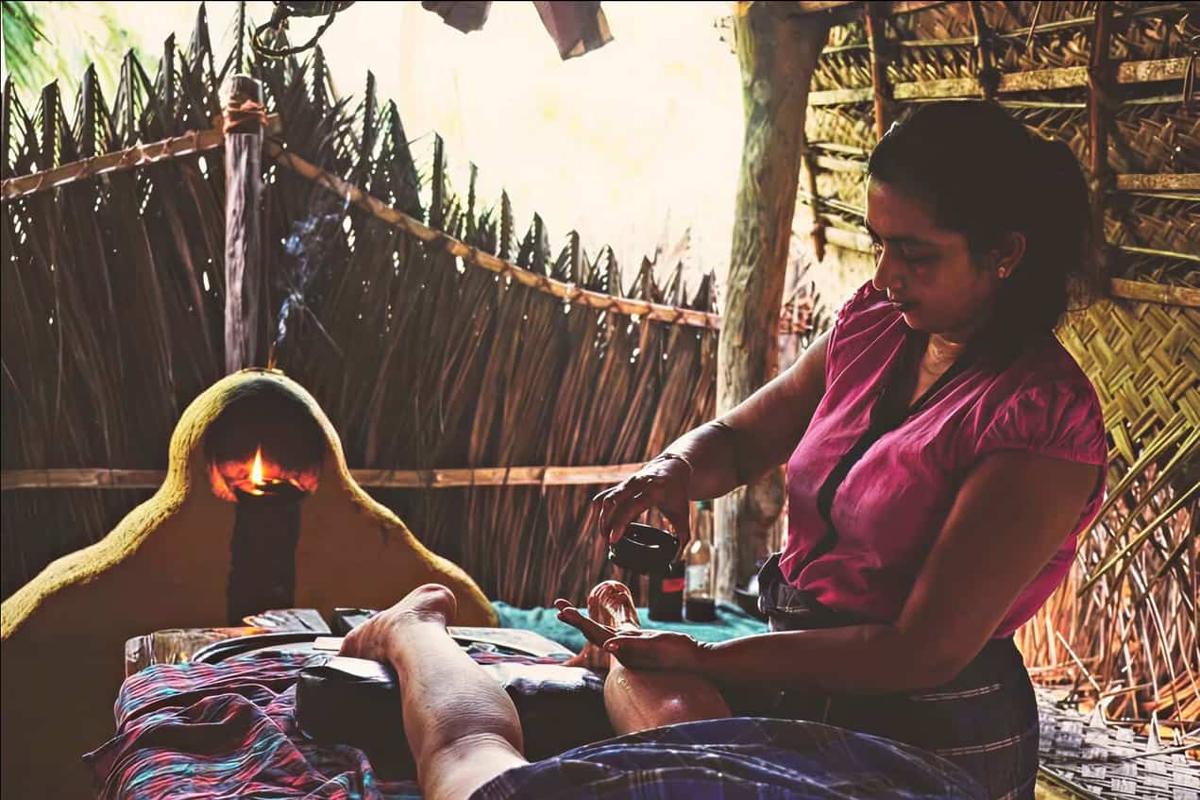
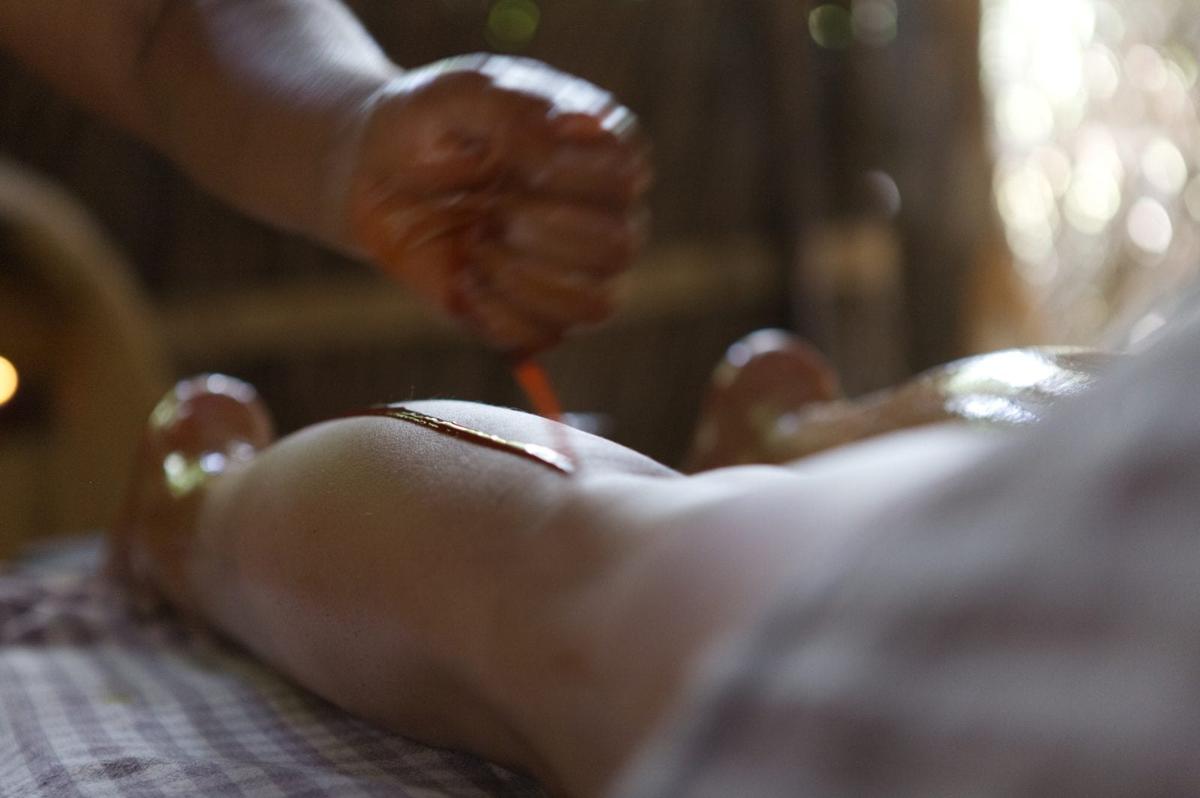
Not the performative slowing down of a long weekend, but something much deeper. The kind of quiet that you hear when the noise and chatter have genuinely stopped. At Ulpotha, that shift tends to happen in the body before it even registers in the mind. And for many guests, it's inseparable from the yoga in the open-air shala or the Ayurvedic treatments at the Ayurveda Centre, where the air smells of warm sesame oil and herbs.
Ayurveda is one of the world's oldest systems of medicine, originating in India more than 5,000 years ago. The word itself comes from Sanskrit: ayur, meaning life, and veda, meaning knowledge. Its founding principle is that health is not simply the absence of illness. It's a state of balance, between body, mind, and the natural world.
Central to Ayurvedic thinking is the concept of the three doshas: Vata, Pitta, and Kapha. These are biological energies, drawn from the five elements of nature, that govern everything from digestion and sleep to emotional temperament and skin type. Most people carry a dominant dosha, though the balance shifts constantly, shaped by season, stress, food, and lifestyle.
Ayurvedic practice works with that balance rather than against it. Rather than treating symptoms in isolation, it looks at the whole system. Diet, daily routine, herbal medicine, massage, and detoxification are all part of the picture.
Panchakarma is Ayurveda's most thorough approach to cleansing and restoration. The name translates, roughly, as "five actions," referring to a set of traditional therapies designed to draw accumulated toxins, known as ama, out of the tissues and eliminate them from the body.
Where a single Ayurvedic treatment might address a specific complaint or offer deep relaxation, Panchakarma works at a systemic level. It typically unfolds over several days or weeks, beginning with preparatory treatments that loosen stored toxins and prime the body for deeper work, moving through the core cleansing therapies, and concluding with a period of rest and careful reintegration.
The five classical treatments include therapeutic purgation, medicated enemas, nasal cleansing, and bloodletting, though modern Panchakarma programmes are generally adapted for contemporary guests and tend to focus on the therapies most relevant to individual constitution and condition.
The results, for those who undergo a full programme, go well beyond surface relaxation. Guests often report improved digestion, clearer skin, better sleep, reduced inflammation, and a significant shift in energy levels. There are also subtler changes that are harder to name: a feeling of having been returned to yourself, or of carrying less.
The growing interest in Ayurveda in the West is not hard to understand. It offers something that conventional medicine often does not: an individualised framework, rooted in the idea that what works for one person may not work for another, and that the body is always communicating if you know how to listen.
Among the most widely reported benefits of regular Ayurvedic practice are improved digestive health, better quality sleep, reduced stress and anxiety, stronger immunity, and greater overall vitality. Specific treatments such as Shirodhara, in which a steady stream of warm oil is poured over the forehead, have been studied for their effects on the nervous system, with some research pointing to significant reductions in cortisol and measurable improvements in sleep quality.
For people living with chronic fatigue, hormonal imbalance, skin conditions, joint pain, arthritis or the accumulated strain of high-pressure lives, an Ayurvedic retreat can function as a genuine reset rather than a temporary reprieve, often life changing.
Ulpotha is not a spa. It's a working village in the dry zone of Sri Lanka, surrounded by ancient irrigation tanks, paddy fields, jungle, nature and forest. There is no electricity. The food is grown on site. The pace is set by nature and the land, not by a schedule. Join in the yoga sessions or don't, it's up to you, this is your time.
Ulpoths is, in many ways, the natural home of Ayurvedic practice.
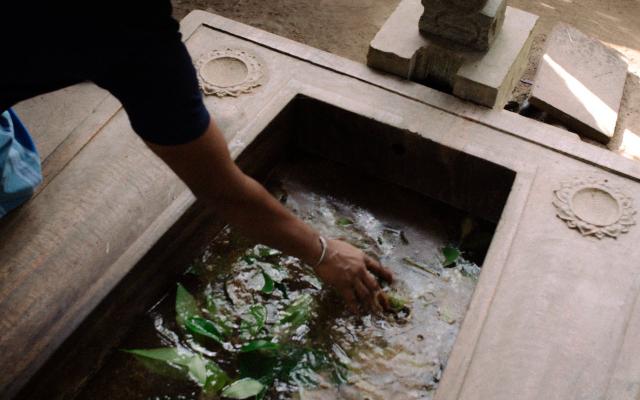
The resident Ayurvedic doctor at the renowned Ulpotha Yoga & Ayurveda Retreat in Sri Lanka is Dr. Srilal Mudunkothge. He has been overseeing the retreat's holistic health, healing, and traditional Ayurveda clinic since 2004/2005. The retreat's Ayurvedic programme starts with an individual consultation for each guest, assessing constitution, current imbalance, and health history before recommending a course of treatment. Nothing is off-the-shelf. The oils used in treatments are traditional preparations; the herbs come from the local pharmacopoeia that has underpinned Sri Lankan medicine for centuries.
If you're staying for a week you can receive a meaningful series of treatments. Those who come specifically for Panchakarma or a deeper Ayurvedic programme are advised to stay for at least three weeks, allowing sufficient time for the preparatory phase, the core treatments, and proper recovery.
At a yoga retreat in Sri Lanka like Ulpotha, yoga and Ayurveda are not separate offerings sitting alongside each other on a timetable. They are, traditionally, part of the same system. Both originate from the same body of Vedic knowledge. Both work with energy, breath, and the fundamental principle that wellbeing requires attention to the whole self.
Morning yoga at Ulpotha takes place in the yoga shala or outside as the sun rises over the tank. The practice draws on classical Hatha traditions, steady and physical, accessible to most levels without being diluted. Many guests find that when Ayurvedic treatments and yoga are practised together, the effects of both deepen. The body opened by daily practice absorbs treatment differently, more deeply. The nervous system reset by oil therapies makes the quality of meditation and breath work noticeably different.
Ulpotha runs yoga retreats between November and March and again from June through to the end of August. The owners and community of villagers who live and farm here year-round open the land to guests during this period, offering a level of immersion that most Ayurveda retreats, however beautiful, cannot replicate.
Ulpotha is not a resort. The accommodation is simple: 11 wattle-and-daub mud huts, oil lamps, lake swims, and communal vegetarian meals eaten together in the ambalama. What Ulpotha offers instead of luxury is something much rarer. The kind of context in which genuine healing becomes possible. No bling, no electricity, no WiFi. A yoga and Ayurveda retreat that is a natural digital detox.
For anyone considering an Ayurveda retreat in Sri Lanka, Ulpotha is in a category of its own. Not because it markets itself as the best, but because it operates from an entirely different set of values, ones that happen to align very closely with the principles Ayurveda has been articulating for five thousand years; natural, grounded and authentic.
Ayurveda
Ayurveda is a medical system from the Indian subcontinent with a documented history of around 5,000 years. The name comes from Sanskrit...
Ayurveda
Ayurveda's signature cleanse: what it involves, how long it takes, and how it's practised here.
Ayurveda
How Ayurveda works at Ulpotha alongside your yoga retreat, and which treatments are offered.