The Ayurveda
"Ulpotha offers the best all-round answer to unadulterated R 'n' R"
Natural Health & Beauty
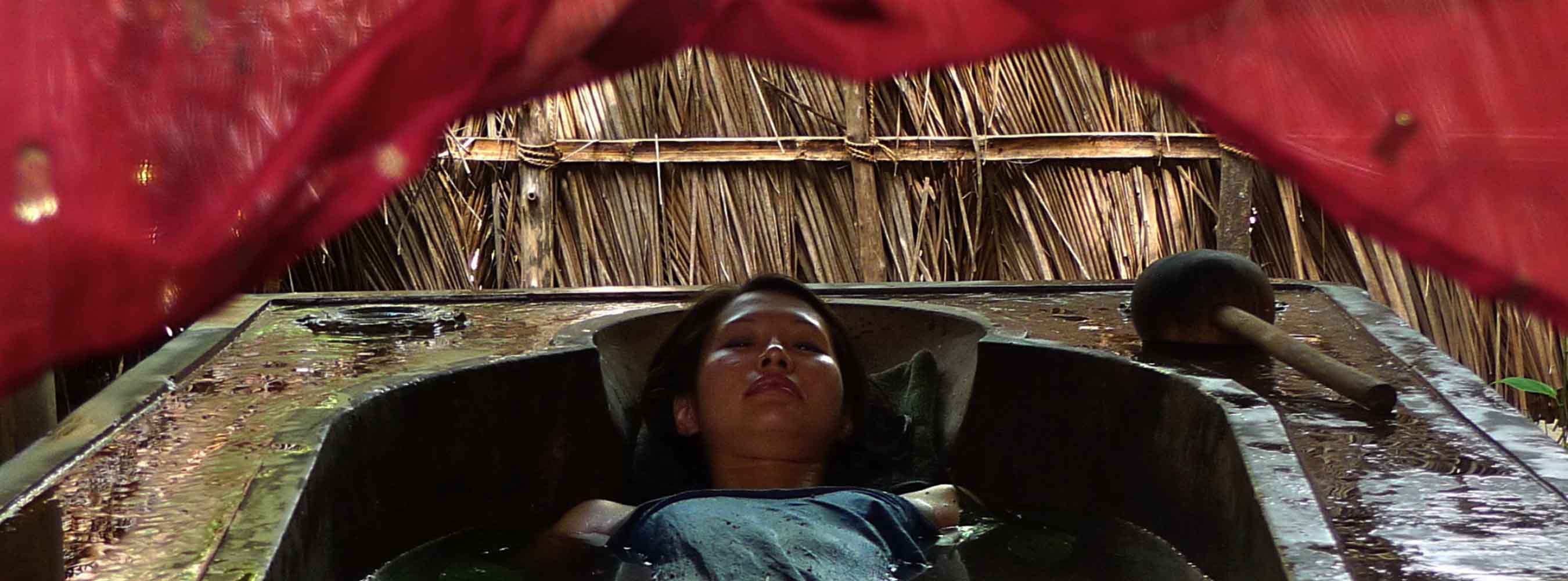
Ulpotha has an exciting programme of Ayurveda treatments and, by the very definition of 'holistic', possesses the ideal climate and environment for the practice of this deeply therapeutic and traditional healing art.
"...it is a realisation of a dream in which Ulpotha almost equals Utopia" - Metro
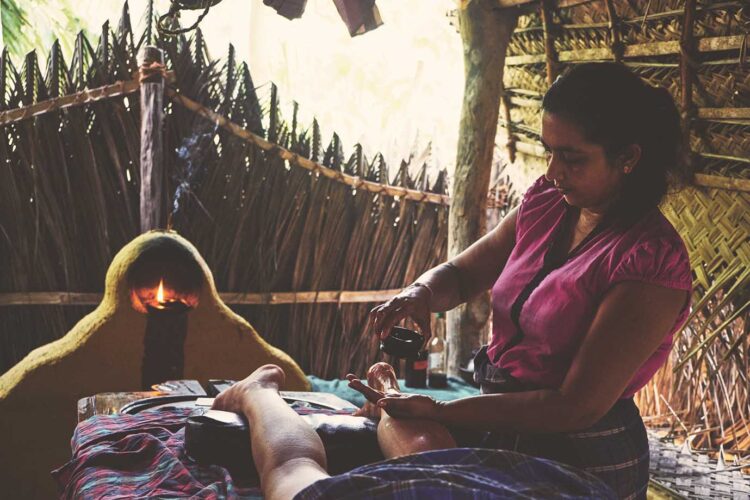
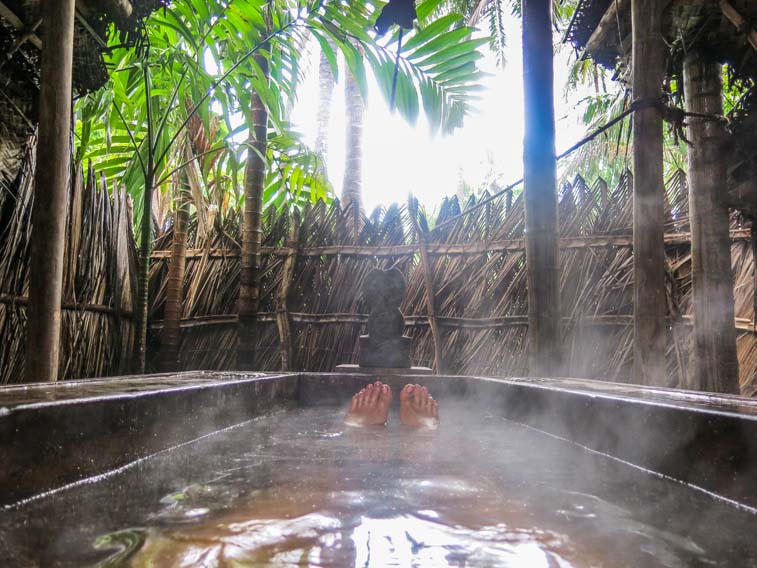
All our Ayurveda treatments, regardless of the personalized elements of a treatment that stem from a personal consultation, contain preparatory and elimination therapies.
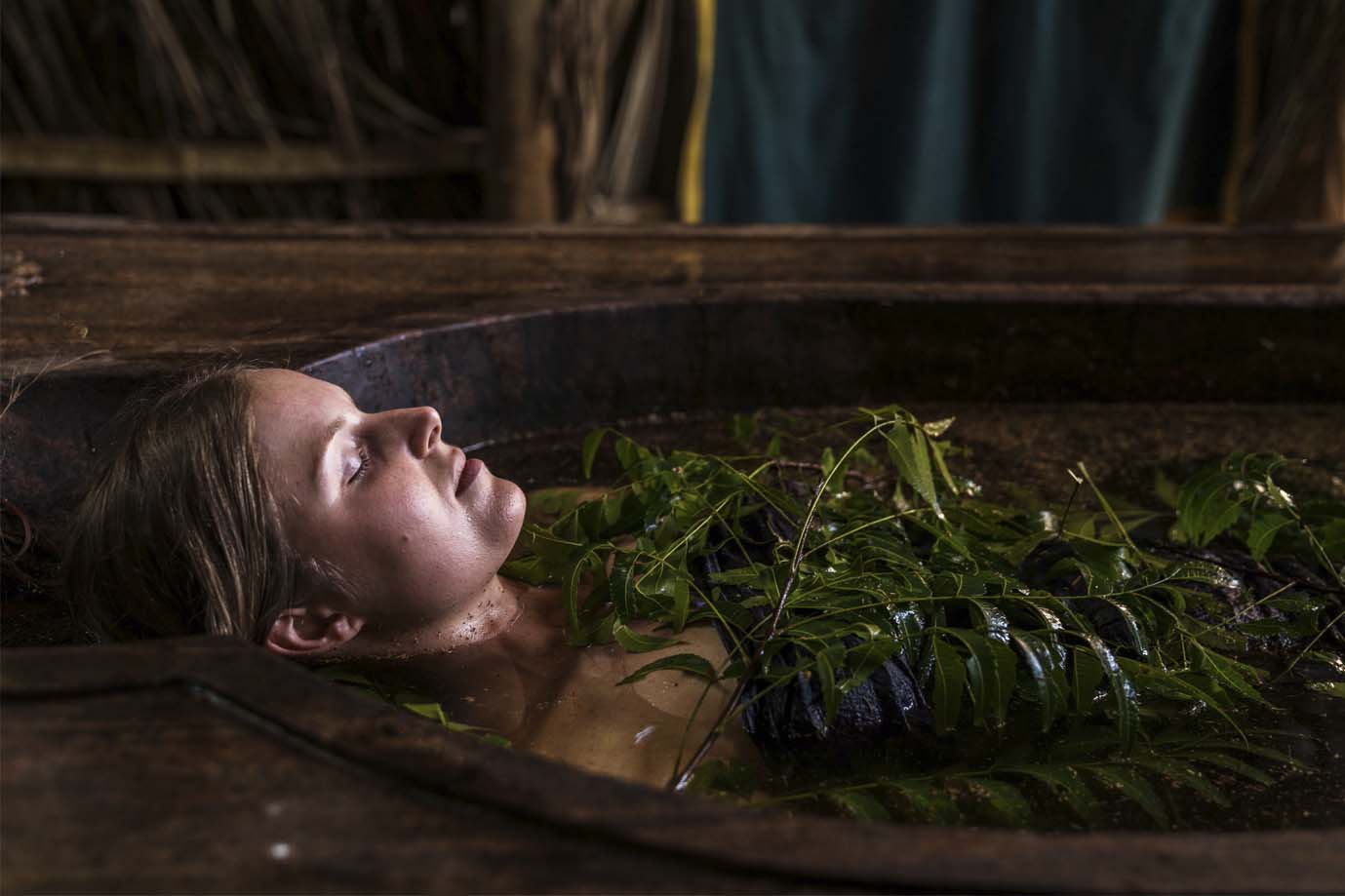
The preparatory therapies are the ones everyone likes and most Ayurveda is known for – massages, oil applications, steam baths, saunas and herbal baths.
Elimination therapies on the other hand, are the ones that some people will find a little bit more challenging to accept. They consist of what is more commonly known as Panchakarma (ie. the five specialized elimination therapies): inhalation, purgation, emesis (vomiting), enemas and blood-letting. The latter three are not prescribed or performed in Ulpotha.
If an Ayurveda treatment is short in length, say less than the 7-day Sanasuma programme, you will only have enough time for preparatory treatments that may include inhalation as an elimination therapy.
If you have time for one that is longer, then you can also undergo purgation. However, the consultation is critical to determine which elimination therapies are required.
For the treatments that are 10 days or less, you will receive treatments every day. Each day will consist of roughly one to two hours of treatments. Longer treatments will include rest days.
You can find the following further information on our FAQ page
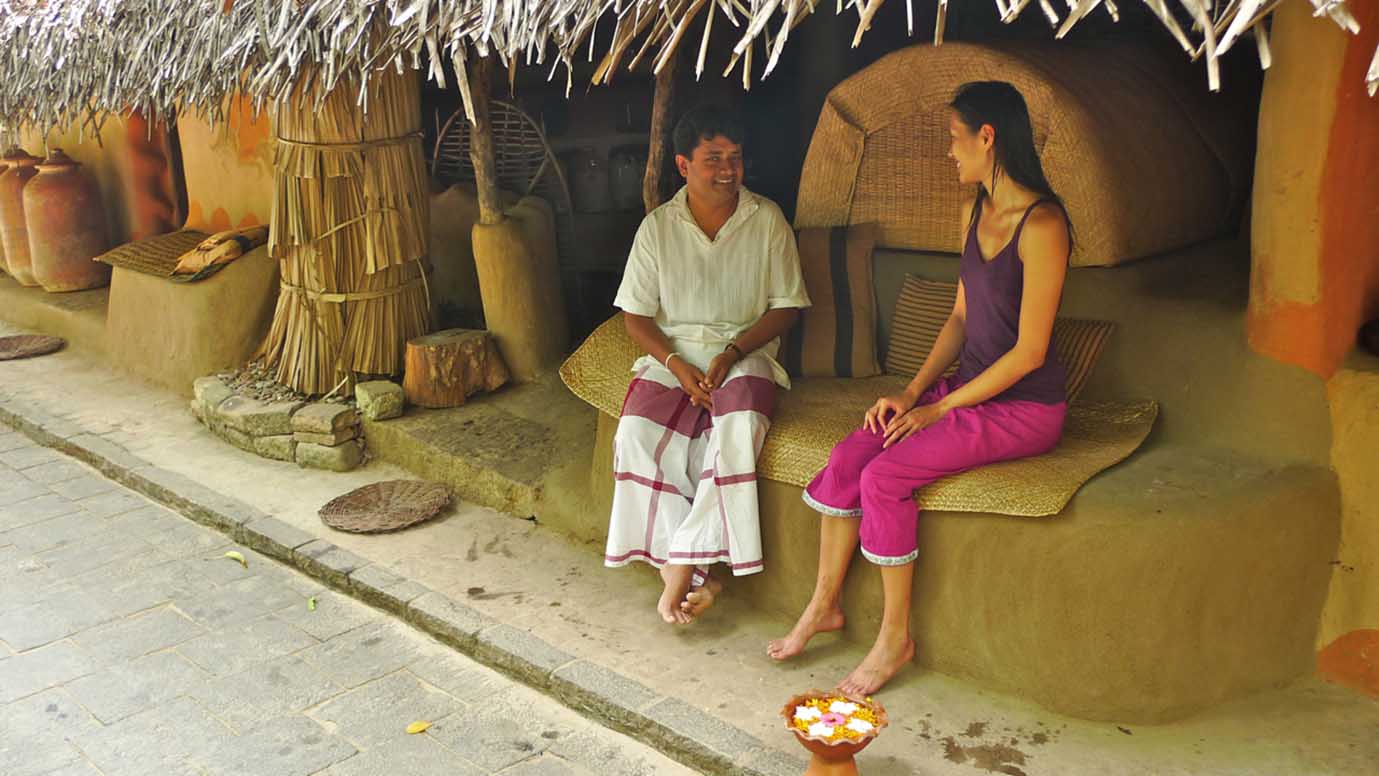
Dr. Srilal Mudunkothge, an acclaimed Ayurveda practitioner of this ancient, holistic medical art, is our resident doctor.
Dr Mudunkothge obtained his Bachelor’s Degree in Ayurvedic Medicine and Surgery and is registered as a general and specialist doctor with the Ayurvedic Medical Council of Sri Lanka.
Apart from being a practising Ayurveda doctor with nearly two decades of experience, he is a qualified allopathic pharmacist registered with the Sri Lanka Medical Council.
An Ayurveda clinic was established in August, 2005, to give Ayurveda treatments to local villagers free of charge. The clinic is funded entirely by the revenue generated by guests treatments.
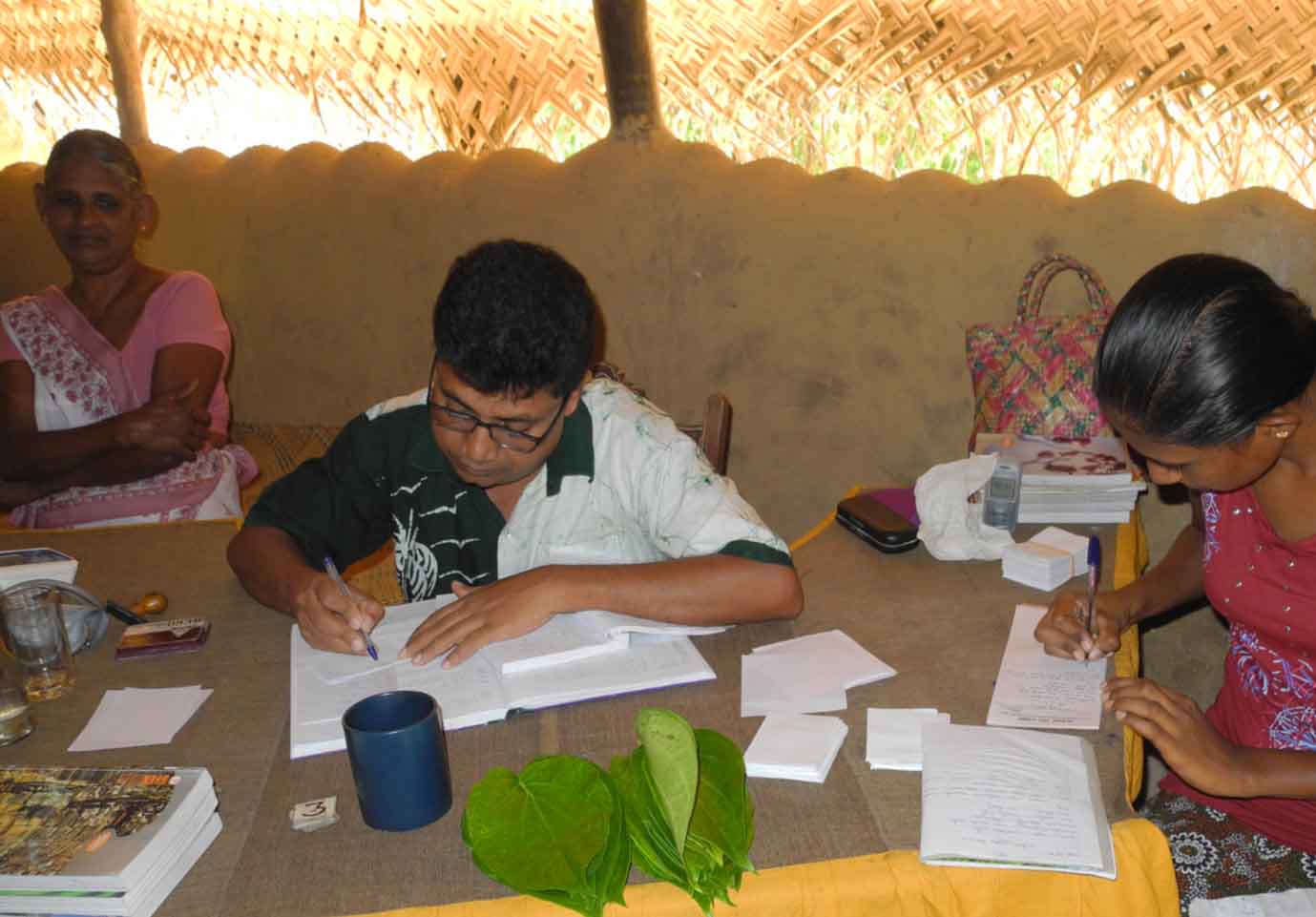
This initiative, which includes free Ayurveda medicines, takes us back to the traditional way Ayurveda was dispensed, where Ayurveda patients rarely if ever paid in cash for the Ayurveda care they received. Instead they would make a symbolic offering of betel leaves to the Ayurveda doctor at the time of consultation and make their own services in kind available to the Ayurveda doctor.
As of the end of 2018, the clinic had received over 55,500 visits from 18,000 patients.
All our Ayurveda treatments, regardless of the personalized elements of a treatment that stem from a personal consultation, contain preparatory and elimination therapies.
The preparatory therapies are the ones everyone likes and most Ayurveda is known for – massages, oil applications, steam baths, saunas and herbal baths.
Elimination therapies on the other hand, are the ones that some people will find a little bit more challenging to accept. They consist of what is more commonly known as Panchakarma (ie. the five specialized elimination therapies): inhalation, purgation, emesis (vomiting), enemas and blood-letting. The latter three are not prescribed or performed in Ulpotha.
If an Ayurveda treatment is short in length, say less than the 7-day Sanasuma programme, you will only have enough time for preparatory treatments that may include inhalation as an elimination therapy.
If you have time for one that is longer, then you can also undergo purgation. However, the consultation is critical to determine which elimination therapies are required.
For the treatments that are 10 days or less, you will receive treatments every day. Each day will consist of roughly one to two hours of treatments. Longer treatments will include rest days.
You can find the following further information on our FAQ page
Dr. Srilal Mudunkothge, an acclaimed Ayurveda practitioner of this ancient, holistic medical art, is our resident doctor.
Dr Mudunkothge obtained his Bachelor’s Degree in Ayurvedic Medicine and Surgery and is registered as a general and specialist doctor with the Ayurvedic Medical Council of Sri Lanka.
Apart from being a practising Ayurveda doctor with nearly two decades of experience, he is a qualified allopathic pharmacist registered with the Sri Lanka Medical Council.
An Ayurveda clinic was established in August, 2005, to give Ayurveda treatments to local villagers free of charge. The clinic is funded entirely by the revenue generated by guests treatments.
This initiative, which includes free Ayurveda medicines, takes us back to the traditional way Ayurveda was dispensed, where Ayurveda patients rarely if ever paid in cash for the Ayurveda care they received. Instead they would make a symbolic offering of betel leaves to the Ayurveda doctor at the time of consultation and make their own services in kind available to the Ayurveda doctor.
As of the end of 2018, the clinic had received over 55,500 visits from 18,000 patients.
Apart from the Ayurveda programmes at Ulpotha, two highly experienced international therapists are available at any one time to offer their magical treatments to guests. All guests who visit Ulpotha receive one free treatment from an Ulpotha therapist. If you desire to have more massages, these may be arranged at the rate of $80 per hour. You can find what particular therapists and their styles are available during your stay by going to the retreats page.
Elke was born in Germany and has been living in Ibiza since 2012, where she offers Massage Therapy, Clarity Breathwork Sessions, and Detox Programs all year around.
She has had 15 years of experience in Bodywork and Holistic Healing.
Her journey began in Germany by practicing Yoga, which led her to travel to India, where she spent several years studying Iyengar Yoga and Ayurveda. During this time, she learned many different massage techniques including Meridian and Marma point massage, deep tissue, and foot reflexology. On this path, she also trained in breathwork and Shamanic healing, which is weaved into her sessions.
She continues to study new therapies, Nutrition, and different ways of detoxifying the system as today stress and emotions can manifest as pain and discomfort in our body.
Elke’s massages are a unique combination of different styles to bring back flexibility and harmony to body, mind, and spirit. She works very individually, as every person has different needs.
Through massaging the whole body with gentle, deep strokes, she helps you tap into what’s underneath the surface, feel your emotions, and experience a release, which brings a deep relaxation at the end of the session, where you feel energized and rejuvenated.


UK based Beth has been working and training in holistic health for the past 25 years. She first trained in Ayurvedic medicine and massage in India in 2000. She then qualified in several Holistic therapies including Swedish massage, Aromatherapy, Reflexology, Indian Head Massage, Anatomy and Physiology at Brighton College, UK.
She has also studied Cranio-sacral therapy (2003) and qualified as a yoga teacher in Taiwan with Stephen Thomas (2007).
Most recently she obtained an honours degree in 5-Element Acupuncture from The Acupuncture Academy in Leamington Spa, UK (2020), and since then her focus has been primarily working with this deep and transformative modality, setting up her own successful acupuncture clinic in Somerset where she lives with her family.
Beth is passionate about health on all levels, weaving her knowledge and experience together, working with each person to create a treatment which is tailored specifically and thoughtfully to them; honouring who and where they are, in order to bring them back to their natural, innate state of balance. She is particularly experienced in and inspired by retreat work.
She had the blessing of working as a therapist at Ulpotha from 2002-2007 and, after having children and settling in Somerset, UK, to raise her family, has been offering therapies at retreats throughout the UK.
Beth is overjoyed to now be in the position to return to magical Ulpotha and rejoin the incredible team which cares so deeply for every guest who visits. She will be offering primarily 5-Element acupuncture combined with reflexology and her other bodywork skills as required to give the best, most effective treatment she can for each guest she meets.
Born in The Netherlands, Doortje Dolores has immersed herself into different cultures and healing modalities from when she was 12 years old. She has an incredible Intuitive ability that brings a quality to her practice that is quite unique. Magic comes from her voice and her hands. Starting out as a performing artist, her voice is still part of her practice via guided meditation or Light language guiding people into deep relaxation and quieting the mind.
She was taught the beautiful art of Lomi Lomi, a restorative massage therapy, by the Hawaiian Kahunas. Lomi Lomi is like a dance around the body, a smooth flow of relaxing strokes mimicking the ocean waves. It has a rhythm that brings you back to your inner self.
Initiations in Tibetan healing practices have deepened her abilities to work with the subtle bodies; energetic, emotional and mental. This work is called Dharma Shamanic System, it deprograms fears and limiting beliefs. Doortje’s work is very holistic, she caters to your needs and if you’re willing to go deep, these sessions can be very transformative.

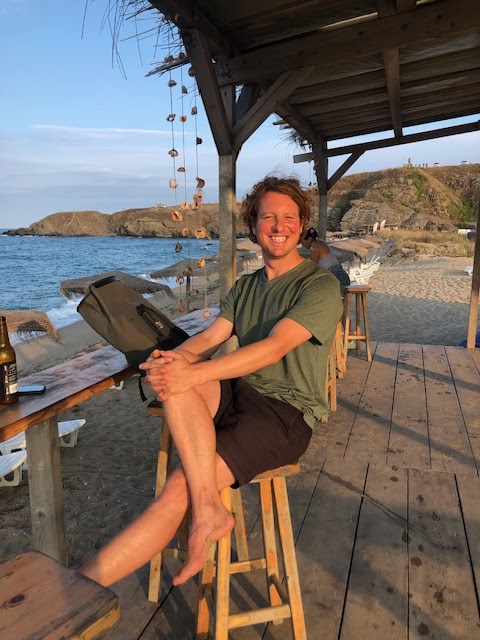
Tom is from Belgium where he has been a massage therapist and personal trainer since 2008.
Due to his own love for exercise & health, Tom followed a variety of courses and started as a personal trainer. He mainly focused on improving mobility, exercise patterns and nutrition.
Later, after following specific rehabilitation techniques, such as Mylogenics release therapy (active release), Reflexology, School of Life (nutrition) as well as a Yoga Teacher Training in Antwerp, his interest shifted more towards massage therapy.
He is a very friendly and fun person, loves to be in Nature and is also a keen surfer. But his main focus in life is healing others by listening to what is going on in their body and mind. In Ulpotha, you can expect an attentive analysis and expert full body treatments focussing on relieving pain and tension.
French born Sophie has been living in Sri Lanka for the past 23 years. After studying medicine in Paris she switched to physiotherapy and started on a journey that led her to explore all aspects of wellness.
She now offers a spa consultation service throughout the island providing spa evaluation, therapist training, product selection, therapy menus, etc.
Sophie’s treatments involve a relaxing mix of long strokes, pressure points and stretching movements where every muscle is worked. Her touch is gentle, soft, strong and deep allowing for deep relaxation and therapeutic release. She blends her own mixes of essential oils according to specific skin types and guests’ moods and states of mind.
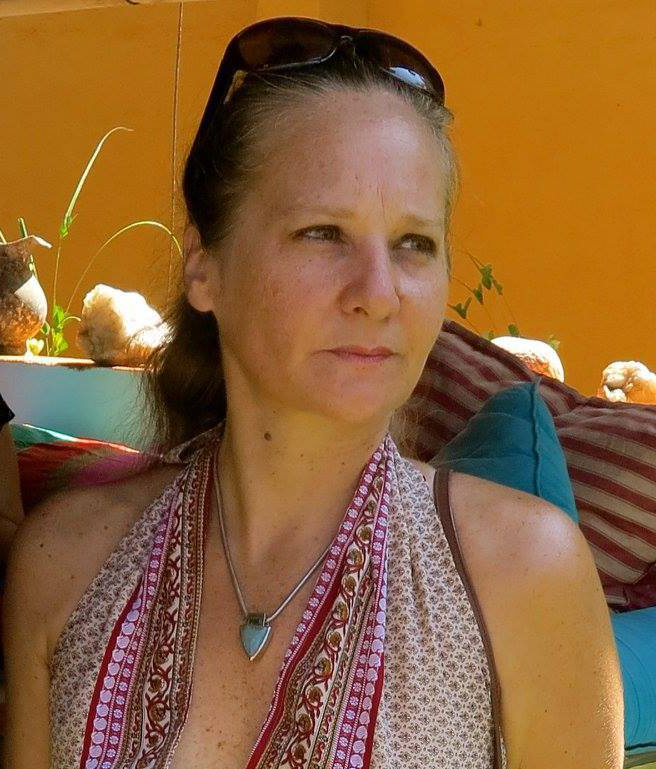
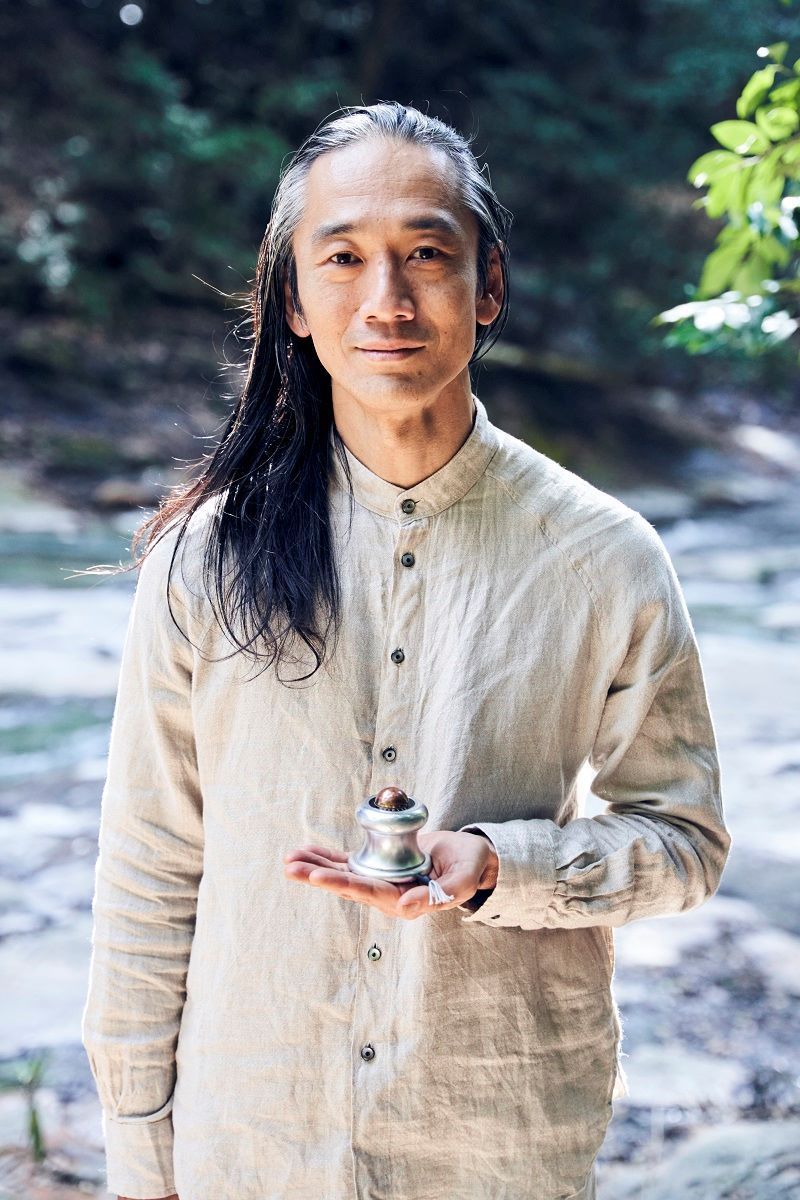
Yuji, a therapist based in the tranquil hot-spring haven of Kagoshima, Japan, has mastered a unique treatment style. Yuji utilizes the CS60, a cutting-edge device developed in Japan, symbolizing the forefront of cellular health. Representing 'Cell Smooth 60 trillion', the CS60 is designed to activate countless cells, enhancing blood and lymph circulation, and revitalizing the body’s inner workings. Known for regulating the body's bioelectric current, it also activates mitochondria, fostering cellular rejuvenation and overall vitality.
Yuji masterfully combines his expertise in the CS60 with traditional healing arts which he has been practicing for many years such as Myo-fascial Release, Reflexology, Shiatsu, Meridian Massage, and Reiki, creating a holistic healing experience. In Ulpotha he will also integrate CS60 into an offering of Thai massage therapies for those who wish.
He excels in creating bespoke therapeutic experiences, intuitively aligning with each client's unique physical and emotional landscape.
Andy is a dad to young adults, lives on the Gold Coast in Australia, surfs and plays tennis and generally worships the beach. He works in health retreats where he teaches yoga and meditation, Jedi Frisbee, Contact Yoga, and offers Zero Balancing bodywork. He has adored and visited Ulpotha since its early days.
After learning from gifted teachers and practicing several styles of massage, Andy has been refining the art of healing touch for over 30 years. He now focuses on Zero Balancing, which he finds to be deeply healing and delightful to give and receive.
Zero Balancing is received clothed, lying comfortably on a table; "fulcrums" are introduced into your body - gentle held stretches and lifted pressure - which contact your energy and structure in points of stillness: these fulcrums rebalance the energy of your skeleton and realign your bones, where resides your deepest self. It feels deeply relaxing and nourishing.
Consider yourself to be like a sailing boat: your body is the boat and your energy is the wind, and Zero Balancing "trims your sails" so you can move with ease and vitality. It is the perfect adjunct to yoga inasmuch as it supports your self-awareness and deepens your connection to yourself. It also happens to feel fabulous!
Here is a demo and more explanation: andykidd.org/zero-balance
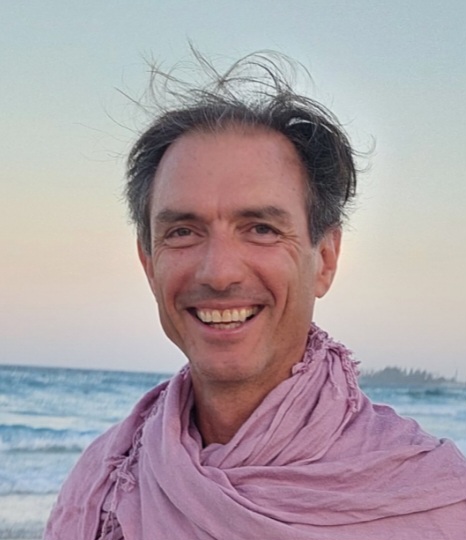
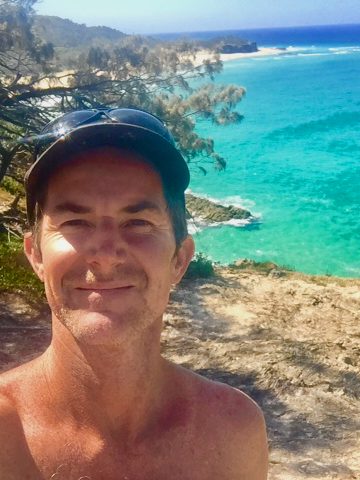
Shane lives & practices from the Byron Shire in Australia. A healer, a family man, a lover of surfing, adventure, wellbeing and all things nature based.
Shane has had over 30 years of practicing healing, specialising in a variety of modalities and techniques including:
A Transformative Healer with an integrative approach, using many modalities in a session, depending on what is presented in the body while using a deeply intuitive approach – every session is unique. Specialising in Pain Relief, Injuries – Acute and Chronic.
Shane’s transformational treatments also provide support for the client’s health and wellbeing by providing education on dietary, supplements, Ayurvedic medicine, remedial stretches where needed, to follow on in their own self care practices.
Originally from Bulgaria, Alex is a wellness practitioner, dedicated to creating authentic experiences and developing environment that encourage holistic wellbeing. He is a spa consultant, manager and wellness practitioner with over 15 years of experience in the luxury hospitality and wellness industries, and recently featured in the UK Vanity Fair magazine as part of their hospitality dream team.
From early age his passion for traveling and immersing in local cultures has introduced him to the great traditions of Asia. His journey into healing and bodywork had taken him to Thailand, Maldives, Laos, Cambodia, Bhutan and Indonesia, where Alex learnt an extensive number of therapies, successfully incorporated in his sessions.
Alex offers a deep and powerful combination of Eastern and Western modalities, cupping, kinesiotaping and aromatherapy, complemented by intuitive touch, restoring the internal energy flow of the body by releasing any blockages or stagnant energy, stored within the fascia and the muscle tissues.
Every session is a bespoke experience, allowing the body to be truly nourished, and come back to wholeness structurally, physically, emotionally and mentally.
TREATMENTS
INTEGRATED BODYWORK
Powerful combination of Eastern and Western techniques, complemented by intuitive touch. This bespoke treatment restores the balance of the body by releasing tension stored within the fascia and the muscle tissues.
OSTHEOTHAI MASSAGE
Thai-inspired assisted stretching and pressure application along the Sen lines, combined with slow circular movements within the joints’ pain-free range of motion. This treatment is great for improving general quality of movement and can be beneficial for overall tightness and pain relief.
QI BALANCING THERAPY
This holistic treatment brings together abdominal Chi Nei Tsang massage with reflexology of the feet and acupressure on the upper body. It promotes healing by releasing physical and emotional blockages, while encouraging the flow of Qi along the meridians.
REFLEXOLOGY
Every energy meridian and organ of the body has corresponding reflex points on the feet. Massaging and applying pressure to those points can stimulate healing within the respective organs. This treatment optimises blood circulation, strengthens the immune system and promotes general relaxation.
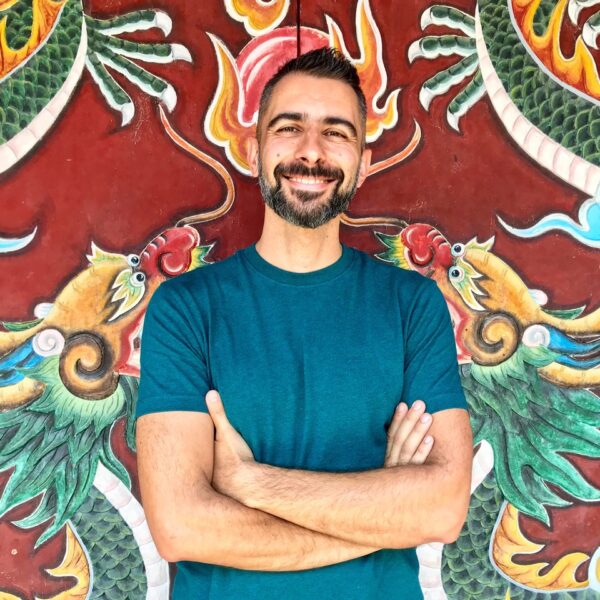
Jon Fellman began his career in healthcare over 30 years ago as a trainer at a health club after rehabilitating himself following a very serious car accident at the age of 16. This led him to Chinese martial arts, Yoga, and eventually Acupuncture and Chinese herbal medicine… first to be treated; and then to undertake his own study. He has been treating patients with bodywork since 1993, and has been working as a doctor of Traditional Chinese Medicine after completing his four-year Master of Science degree in traditional Chinese medicine in 2001 at the Academy of Chinese Culture and Health Science in Oakland, CA.
In his clinical practice based in California, he is most apt to use the unique acupuncture styles of Dr. Richard Tan and Master Tung, readily incorporating applied meridian theory, trigger point acupuncture, bodywork, joint mobilizations/manipulations, cupping, guasha, Japanese moxibustion techniques, and Tok Sen into his treatments. His bodywork is most influenced by Thai Massage, Tui Na, and Shiatsu. He has spent considerable time in China and Thailand studying with Taoist master Wang Liping, and several Thai Massage masters including Pichest Boonethume.
Jon specializes in acupuncture orthopedics, and has worked with many musicians, artists, dancers, yogis and athletes, but has a diverse patient base, regularly treating a wide array of conditions.
In Ulpotha, Jon will be offering his Integrated Thai Bodywork that draws from Thai, Chinese and Japanese techniques as well as TCM theory. He will also offer complementary modalities such as Cupping, Tok Sen, and Guasha. Acupuncture can also be requested and can be utilized in combination with the massage and other techniques, or as a standalone treatment.
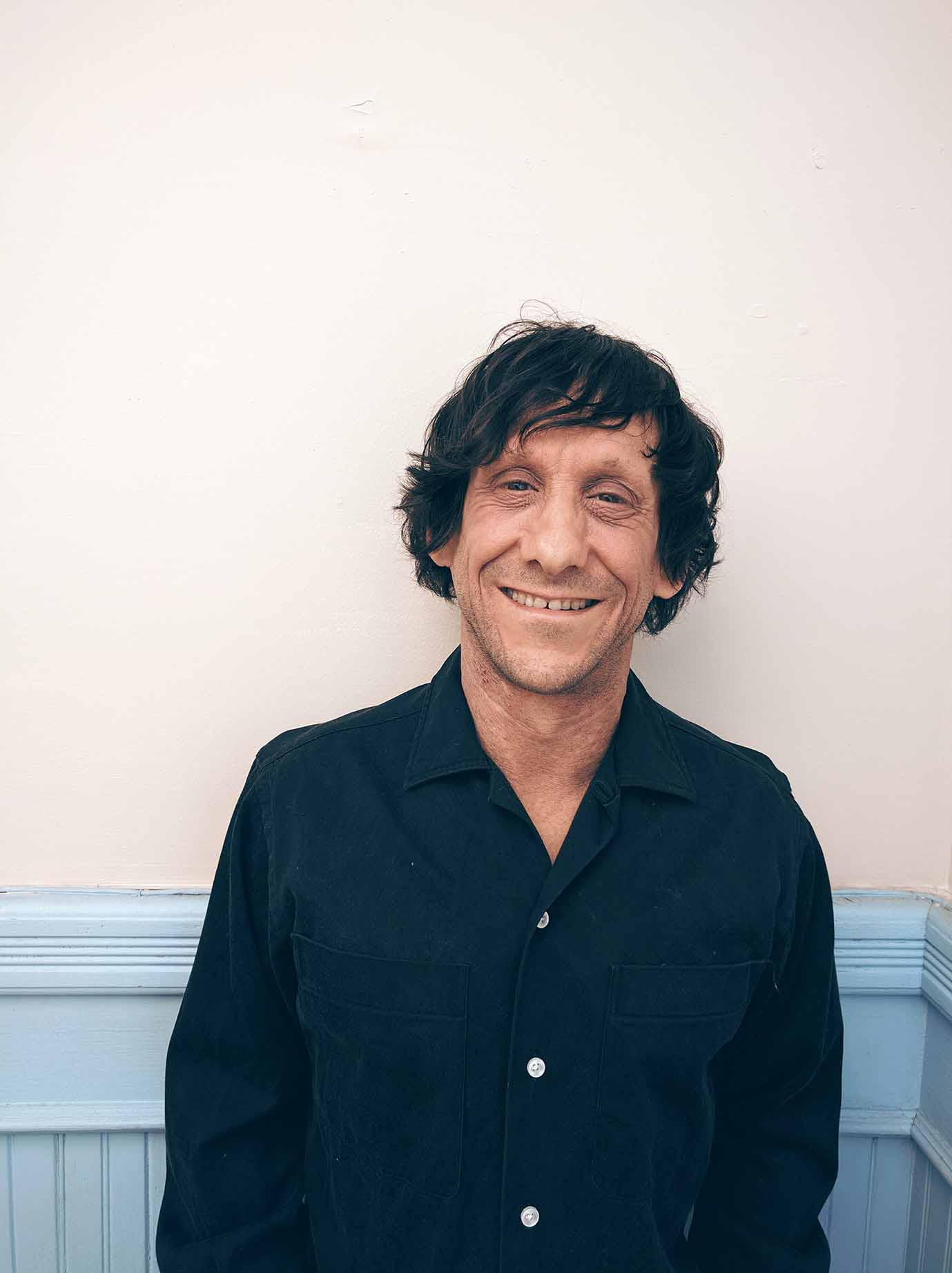
Samanta Duggal has been immersed in Yoga, Bodywork and Movement therapy since 2003. Her regular Thai massage studies with the Sunshine network have led her to assist courses by Itzhak Helman in Thailand and India and perfect the treatment of movement dysfunction through Thai massage and additional nerve-touch techniques with Jack Chaya in Chiang Mai. She learnt Thai Osteo work with Arno, Craniosacral Biodynamics with Rosemary Wallace and Reflexology at Wat po in Bangkok. Added to this, her Face and Neck massage therapies include Ayurvedic techniques studied in Kerala. Her treatments are a unique and integrated combination of the above.
Samanta has also mastered the art of Chi Nei Tsang or Abdominal chi massage. This detoxifies and works on the organs in the abdominal and thoracic cavity, it corrects posture and offers emotional release while relieving muscular tension in the organs and psoas.
In combination with the above treatments Samanta offers Tibetan Singing Bowl sound therapy for special additional chakra balancing.
She is an ex-Bollywood dancer and teaches yoga and Thai massage in Mumbai and on retreats around the world.
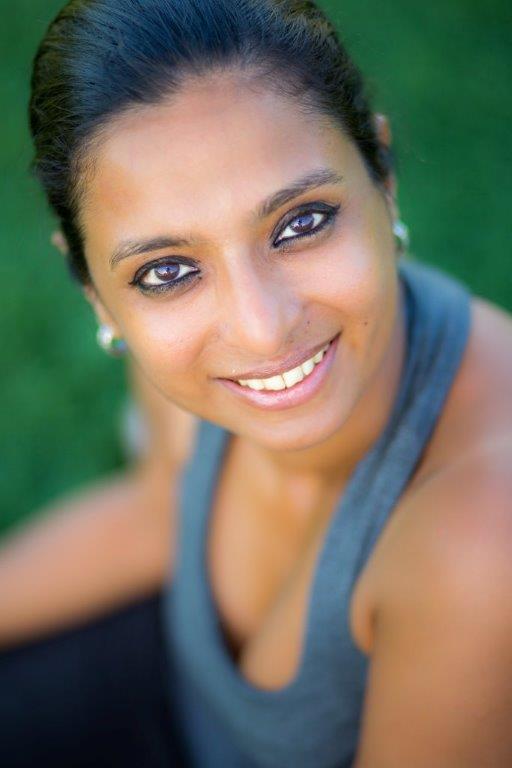
Daniel Matallana is a Colombian philosopher, dance psychotherapist and intuitive healer. He has received teachings from great spiritual masters of Europe, Asia and Latin America. He holds a masters degree in Movement Psychotherapy from Goldsmiths University of London and is a certified International Yoga Alliance instructor.
With 10 years of experience in holistic health and education, Daniel has also been trained to guide meditation by Buddhist monks and been certified as a massage therapist by Thailand’s Ministry of Public Health. He’s the founder of the Self-Love Project, an online platform for mindfulness and healing. Daniel is currently based in Qatar, where he works at The Mind Institute, a holistic centre for children with special needs.
Daniel tailors his treatments to suit each client’s needs integrating Thai-Yoga massage, Reiki, Reflexology, Deep Tissue and sound for a deeply healing experience. You will leave feeling both relaxed and recharged.
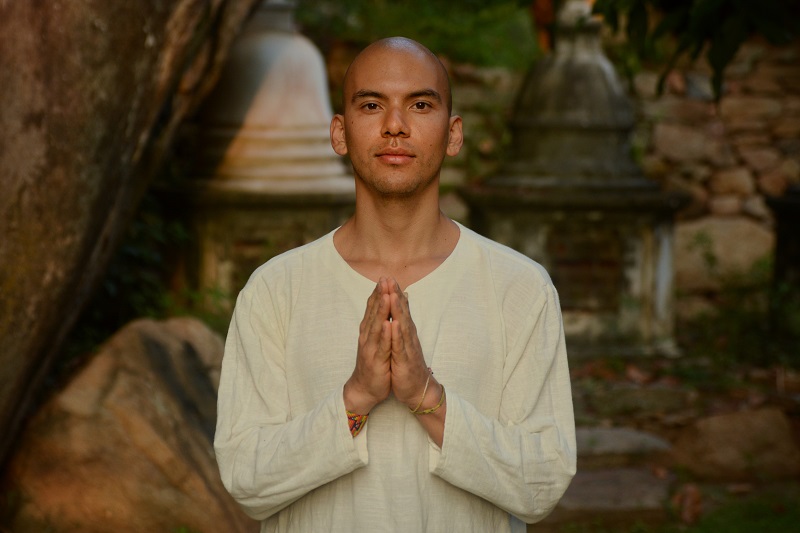
Boris is from Santiago, Chile, and first started practising Ashtanga Vinyasa Yoga in 2000. In 2002 he began training in different massage therapies, studying Ayurvedic massage in Mysore (India). He returned to India many more times to continue specializing in Ayurvedic massage and for additional Yoga training.
His love of bodywork led him to later study different massage techniques across the world including Chuaka and Body Harmony in Santiago (Chile), Sports Massage in Atlanta (USA), Traditional Thai and Thai Oil Massage in Chiang Mai (Thailand).
With this extensive background, Boris has developed his own intuitive massage technique which unlocks one’s energies through a physical therapy acting on the skeletal structure, muscle and tissue. The result is to liberate fears and burdens that are held inside the physical body, allowing it to recover its natural flexibility and resulting in pain relief and relaxation.
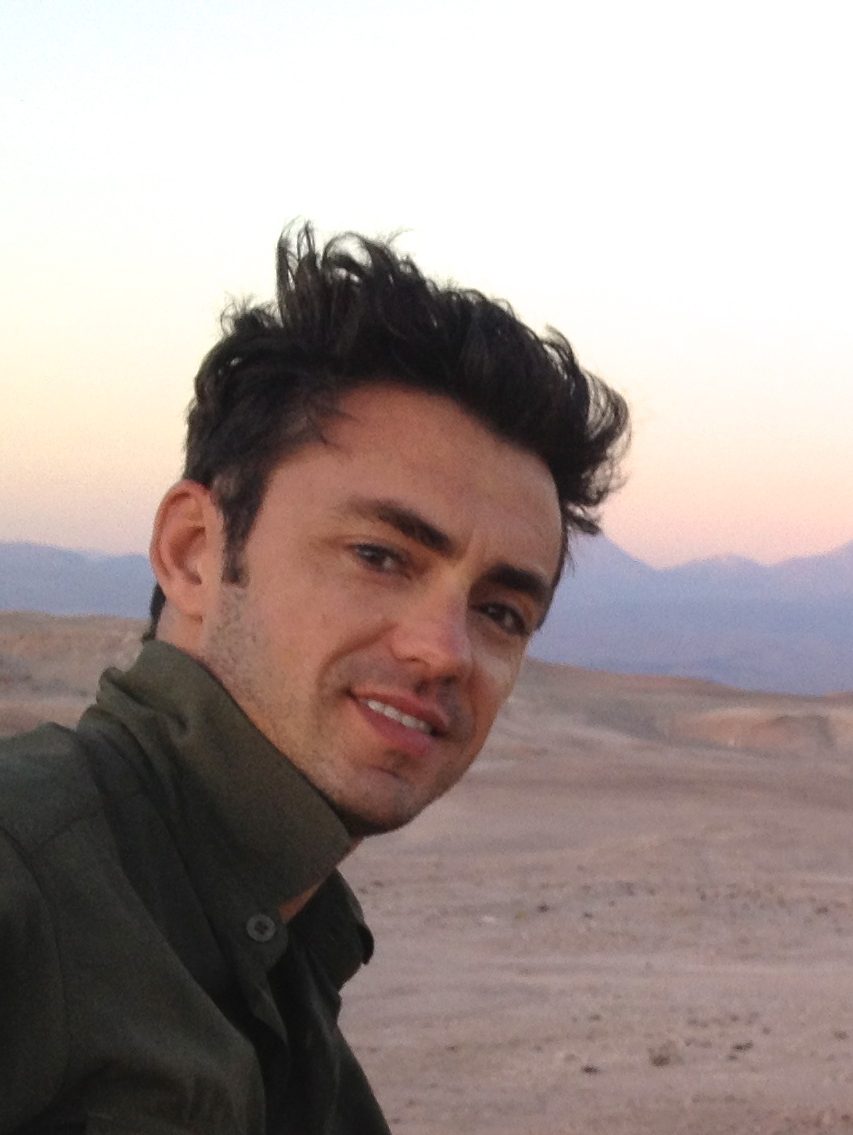
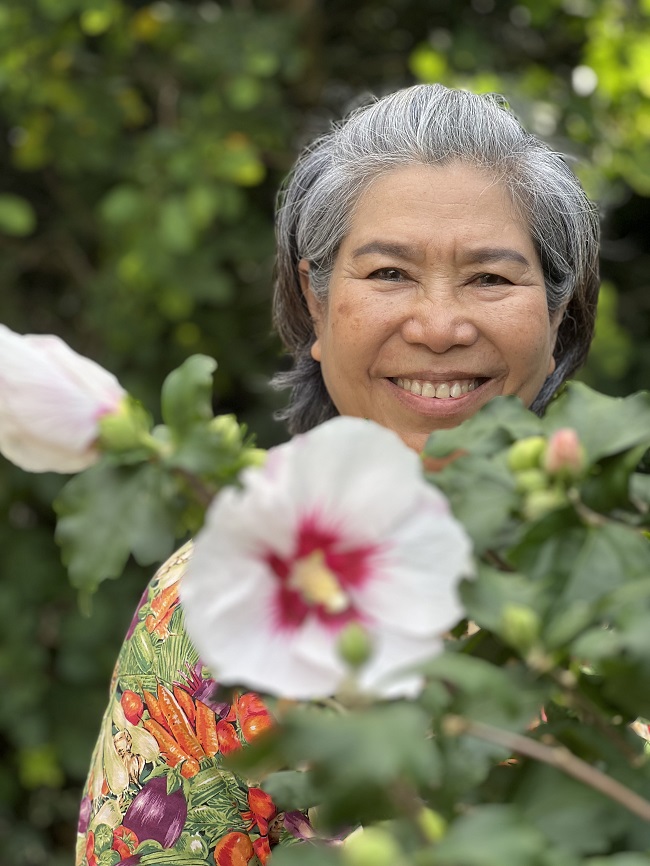
Pi Jem is one of Thailand’s ‘amazing gems’ – a very skilled traditional Thai massage therapist who trained with many of the great Thai masters and now teaches worldwide.
DEEP TISSUE THAI MASSAGE: Traditional Thai massage aims to relieve pain in muscles and joints through deep massage and stretching. Traditional Thai massage is usually performed on the floor, and you will be fully clothed, wearing comfortable clothes that allow for movement. No oils are used in Thai massage.
Pi Jem’s particular style of Thai massage is a strong massage that is especially beneficial for those who practice yoga. It helps circulate the blood and energy around the body and open areas where there may be blocked energy or prana which can cause pain and/or stiffness.
Her expertise will leave you feeling deeply relaxed and at peace, with a supple body relieved of pain.
CHI NEI TSANG ABDOMINAL MASSAGE: Chi Nei Tsang is a traditional abdominal massage that works on harmonizing and balancing the internal and digestive systems. This ancient healing art from China focuses on stimulating the internal organs and flow of Qi.
Emotions and stress get stored throughout our body in the form of tension in our muscle tissue and much like food, we also need to digest and release this tension. Chi Nei Tsang gently helps to process emotions leaving a feeling of deep calm and connectedness.
Pi Jem brings her own unique style and compassion to this art.
Reproductive Therapeutic Massage (female)
Many of us suffer pain related to menstruation and menopause often leading to headaches, back pain, digestion and abdominal discomfort and emotional swings. For thousands of years these problems have been addressed in Asian medicine mainly through bodywork.
Reproductive Therapeutic Massage is non-intrusive and consists of gentle to strong pressure (within your tolerance) in the lower abdominal area and near the genital area.
Of course the utmost care is taken to protect your privacy and ensure a safe and pleasant experience.
Alex has held a long-term love for meditation, qigong, and for exploring ways of connecting to our body’s natural wisdom. This eventually drew him towards helping others and learning natural healing. He gained a BSc. and license in acupuncture and tui-na massage in England and went on to advance training in both acupuncture and acupressure in Vietnam. He also draws from training in qigong, Thai massage, shiatsu and Mayan abdominal massage. Alex specializes in a unique form of Vietnamese facial reflexology, called Dien Chan. After many years of study with Dien Chan masters he has developed this therapy into a unique treatment that integrates a range of bodywork and healing techniques.
The face is deeply connected to many aspects of our health, Dien Chan specializes in mapping out these connections and harnessing them for healing and rejuvenation. Dien Chan is unique in that it has identified over 300 individual points on the face, all with specific actions on different aspects of the body and mind. Much of the physical, mental, and emotional stress that we carry, which negatively impacts all aspects of our health, is held in our face and our expression. Dien Chan treatments release this tension and stress from the head, neck and face, which then creates a positive cascade effect throughout the body. A number of massage tools have been specially designed to aid in this process. The effect is highly relaxing and rejuvenating.
Dien Chan works on many layers- it soothes and balances the nervous system, helps harmonize hormones, reduces inflammation, boosts immunity and detox, and also can affect and release mental-emotional patterns. As such, treatments can benefit and assist in healing many illnesses, especially with people coping with stress and fatigue, sleeping issues, blood pressure imbalance, headaches and pain, poor digestion or hormonal imbalances. At Ulpotha Alex will be offering treatments that combine Dien Chan facial reflexology and healing massage in both 60 and 90 minute sessions. Acupuncture will also be available for those who wish.
Alex was born, lives and works in London, and specializes in helping resolve stress and trauma. He has had years of experience teaching qigong and tea ceremony at Khiron House, a pioneering trauma centre in Oxfordshire. He is also a regular visiting practitioner for some of the world’s leading wellness centres and Spas, including Kamalaya in Thailand, Ananda in the Himalayas, the Mandarin Oriental Hong Kong and Nihi Sumba in Indonesia. Alex brings experience from many fields into his treatments, and is passionate about helping people towards optimum health and happiness.
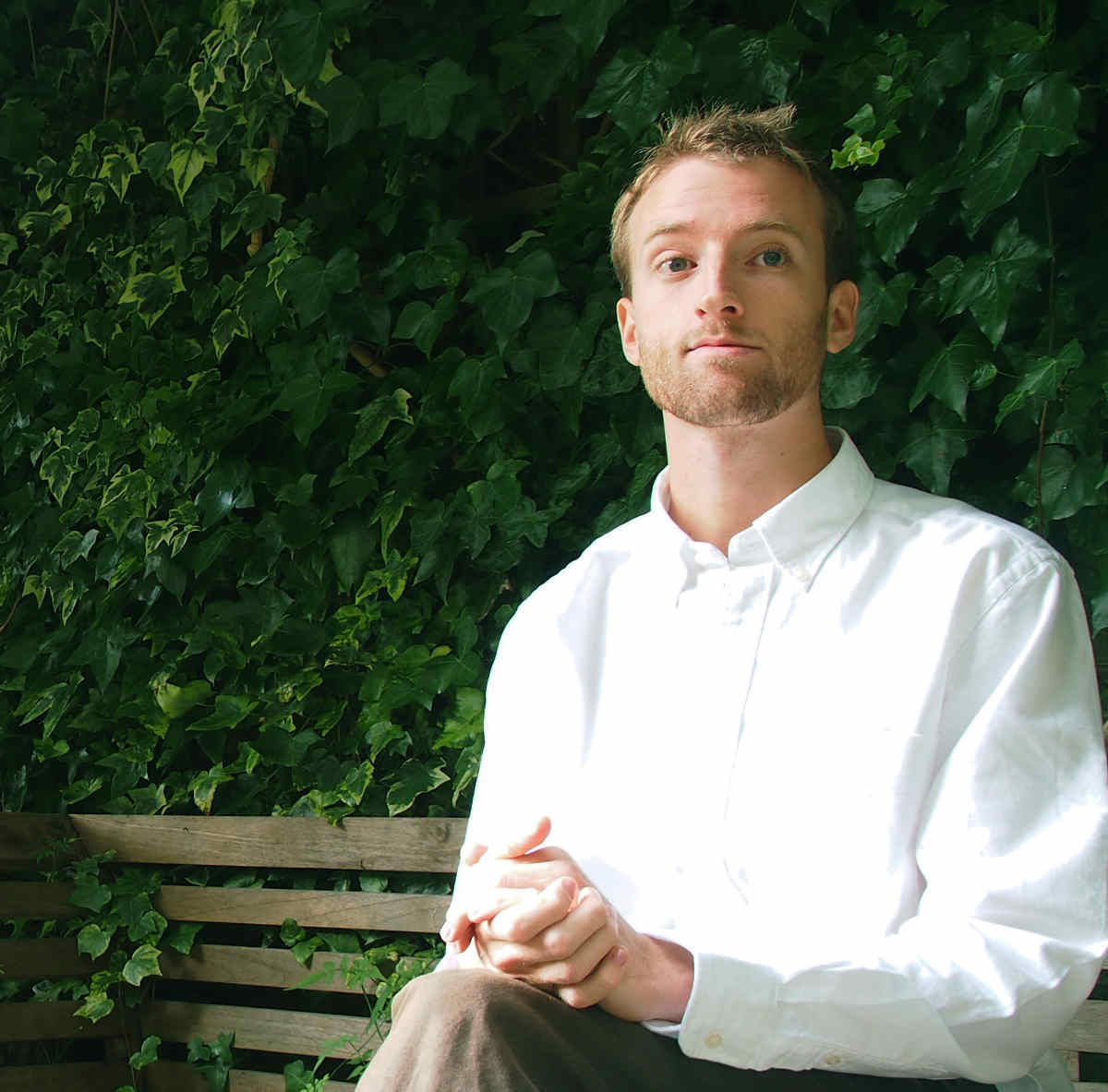
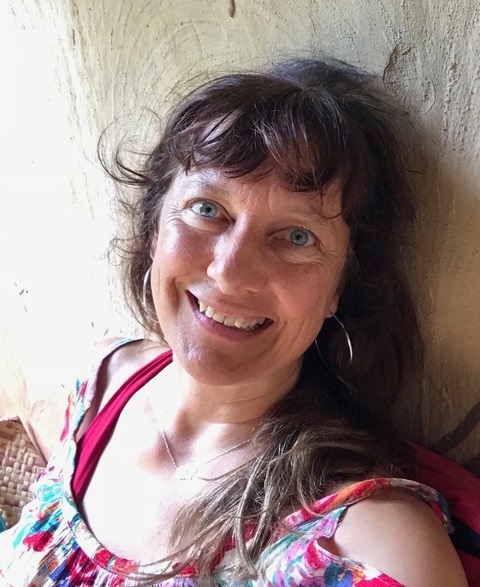
Ever since Eva was a young girl, growing up in Germany, she was utterly passionate about movement and dancing. She danced not just with her body but with her whole spirit and became interested in traditional healing methods from a young age.
Through her love of helping people to heal themselves she completed all 7 levels of Ka Huna massage and bodywork training at High Spirits Institute in Australia and has been working as a Ka Huna body worker since 2010. She has established various massage sanctuaries in Australia and Germany and now works from her home in Mullumbimby - nestled in the rainbow region in the northern rivers area of Australia.
She also specialises in foot reflexology, deep belly abdominal massage and emotional release techniques which she integrates into her massages. Her recent training in Somatic Experiencing (trauma informed massage) is accredited by the Somatic Experiencing Trauma Institute established by Dr.Peter Levine.
In addition to her professional western training at various institutes, Eva also spent time learning traditional healing methods in Mayan villages in Guatemala, sacred places in the Amazon and in secluded huts in the Australian bush.
Ka Huna massage is not just an ordinary massage but an experience that leaves the body, mind and spirit feeling whole, connected, energised and at the same time deeply relaxed. Her clients often describe it as “something special happens during the massage that is hard to describe”, “ Afterwards I feel like floating”, “ I feel connected to something deep inside”.
Eva uses organic coconut oil and massages with long flowing strokes using her hands and forearms, sometimes underneath and on top of the body at the same time, while she moves with dance-like steps around the massage table.
Ka Huna massage comes from the Hawaiian shamanic tradition and Eva combines her “seeing hands” with her open heart and intuitive grounded presence and years of experience. She is very confident to hold space for you in a safe environment.
Each bodywork session is uniquely adapted to who you are at that moment.
Based in London, Flo specialises in Aromatherapy, Holistic, Manual Lymphatic Drainage, and Zero Balancing massage, Reflexology, Reiki and Sound healing with crystal and Himalayan singing bowls.
She is also a Yoga, Reiki and Meditation teacher. and has a deep passion and interest in working with all aspects of body, mind and spirit. Currently, she is studying Clinical Ayurveda.
With a thriving practice of over 27 years, Florentina’s treatments are delivered with an experienced and intuitive touch. She works deeply and powerfully, applying essential oils, effective stretches, alignment, and pressure point techniques that will leave you feeling nourished and nurtured on all levels of being.
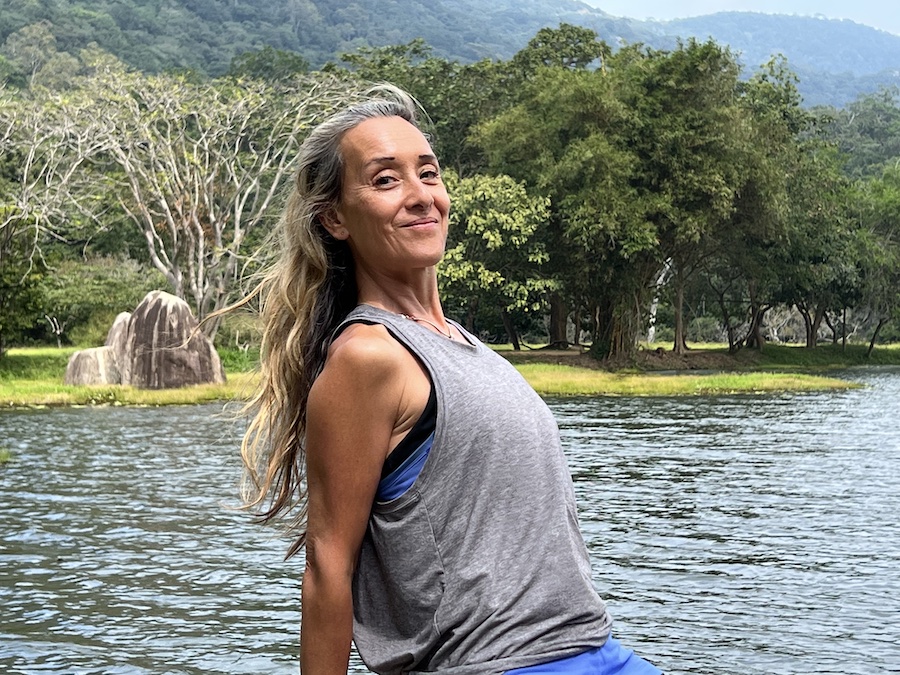
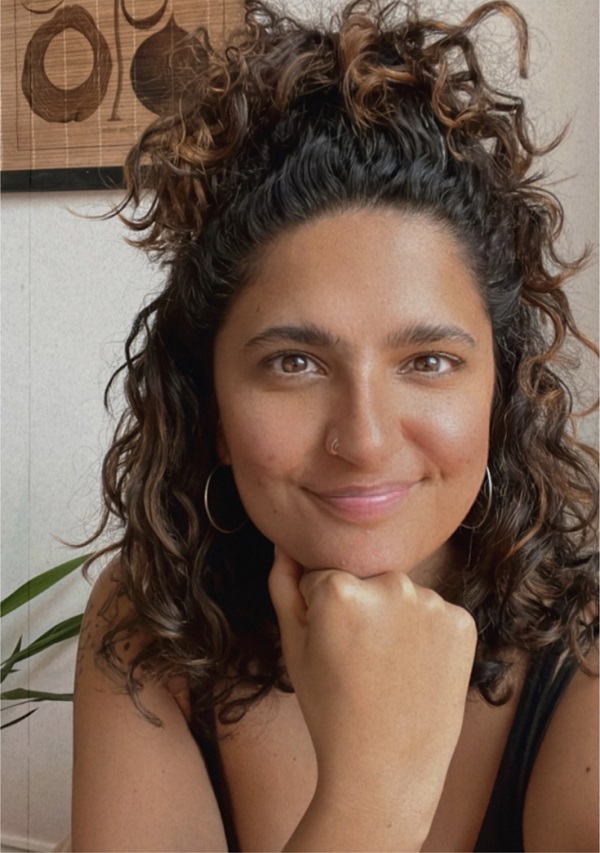
Tara was born in Lesotho to a Scottish mother and Sri Lankan father. As a young girl her family moved back to Scotland where she then grew up. After leaving school and going straight into hospitality, she decided that she had found her calling: connecting with people, the ancient origins of massage and loving & respecting our bodies. In 2008 she went on to study many mediums of massage in Edinburgh and then the journey began.
After graduating she decided to use her new-found skills travelling the world, offering massage, and exchanging knowledge with other therapists in many different countries. This has come to shape her practice today.
After an incredible 8 years of travelling and working throughout Africa, Sri Lanka, South East Asia, Australia, New Zealand, Central and North America she settled back home in Edinburgh and opened her own therapy practice ‘Makara’.
The depths of Tara’s experience can be felt through every session. She focuses on combining all that she has learnt from her travels to create a one of a kind, therapeutic experience through massage, compressions, stretches and cupping (if requested) for the body, head and face.
Tara’s testimonials are littered with people praising her for her “magic hands”, intuitive touch and warming energy.
Tara strives to create a safe, nurturing space for everyone.
Each session is curated to exactly how you are feeling at that time and is as unique as you are.
Spending time at Ulpotha is a chance to deepen her connection with her heritage and hopefully help to heal some amazing souls along the way.
Carita has been working with the body (physically, emotionally and spiritually) for more than 20 years. She began her career as a Personal Trainer and Group Fitness Instructor but always had the belief that we are more than our physical body.
Carita is currently a Facilitator of Ka Huna Massage and Bodywork at High Spirits Retreat in Queensland Australia and runs Heartworks Lomi Lomi workshops and wellbeing retreats.
What she loves about Ka Huna bodywork is the different layers that it can get into. When our physical body relaxes with the long flowing strokes of the massage, it allows us to sink into more clarity and tranquility bringing everything back into balance and harmony.
Carita works with your needs and intention in mind. She combines the feminine touch of flow and nurturing with the masculine focus of deep tissue work to alleviate any pain, stress and discomfort to bring more freedom in your entire being. Whether you wish to gain relief from a physical condition or simply to relax and to nurture yourself, Carita will work with you with aloha and to the best of her knowledge and abilities to gain the desired results.
Her passion for Ka Huna Bodywork and sense of adventure has given her opportunities to work in France, at The Fours Seasons Resorts in Bali and The Spa at The American Club in Singapore. Carita is also a Power Yoga Teacher, holds a Cert IV in Life Coaching, and incorporates Thai Yoga Massage, CranioSacral Therapy and Reiki in her treatments.
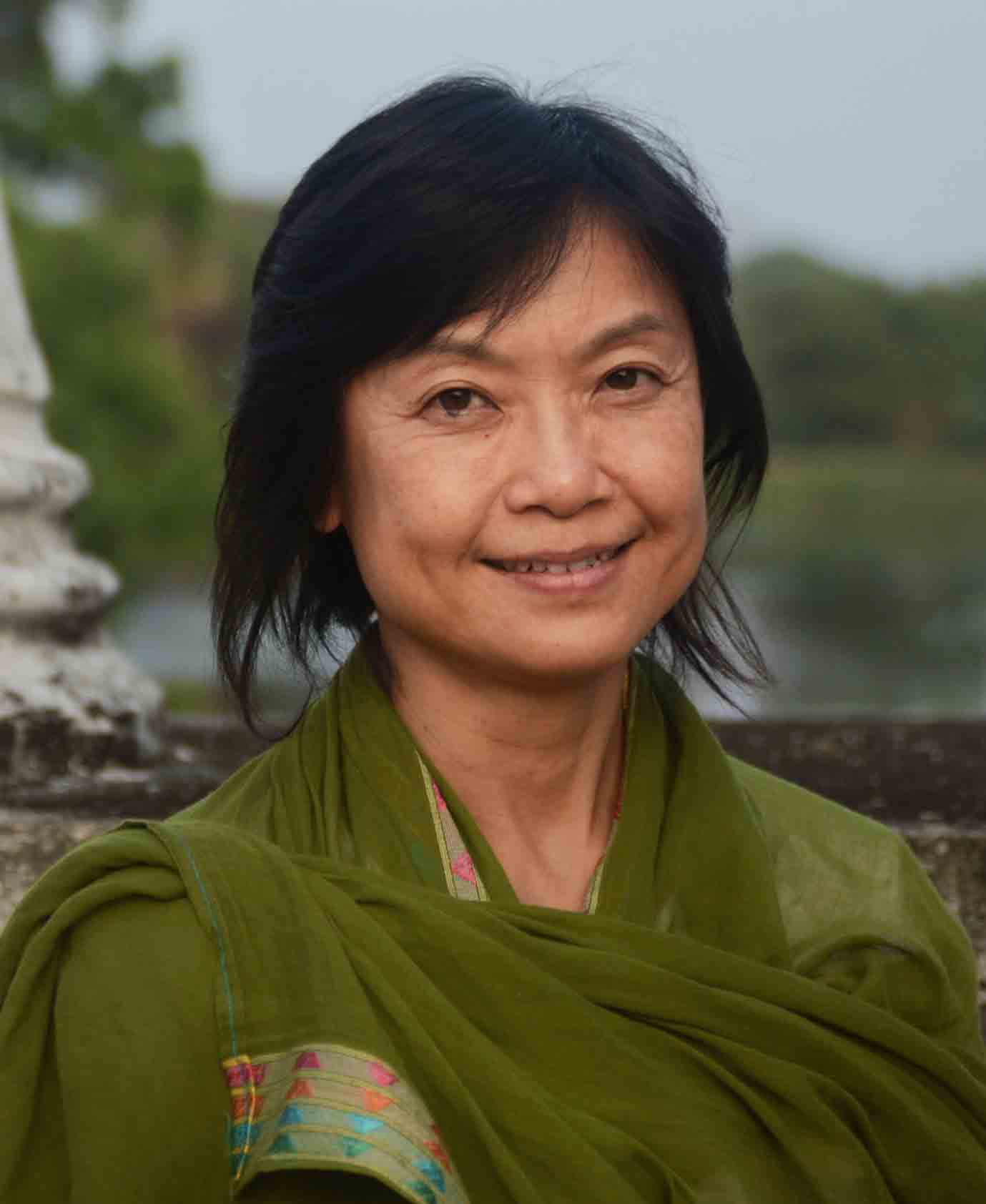
Elke was born in Germany and has been living in Ibiza since 2012, where she offers Massage Therapy, Clarity Breathwork Sessions, and Detox Programs all year around.
She has had 15 years of experience in Bodywork and Holistic Healing.
Her journey began in Germany by practicing Yoga, which led her to travel to India, where she spent several years studying Iyengar Yoga and Ayurveda. During this time, she learned many different massage techniques including Meridian and Marma point massage, deep tissue, and foot reflexology. On this path, she also trained in breathwork and Shamanic healing, which is weaved into her sessions.
She continues to study new therapies, Nutrition, and different ways of detoxifying the system as today stress and emotions can manifest as pain and discomfort in our body.
Elke’s massages are a unique combination of different styles to bring back flexibility and harmony to body, mind, and spirit. She works very individually, as every person has different needs.
Through massaging the whole body with gentle, deep strokes, she helps you tap into what’s underneath the surface, feel your emotions, and experience a release, which brings a deep relaxation at the end of the session, where you feel energized and rejuvenated.
UK based Beth has been working and training in holistic health for the past 25 years. She first trained in Ayurvedic medicine and massage in India in 2000. She then qualified in several Holistic therapies including Swedish massage, Aromatherapy, Reflexology, Indian Head Massage, Anatomy and Physiology at Brighton College, UK.
She has also studied Cranio-sacral therapy (2003) and qualified as a yoga teacher in Taiwan with Stephen Thomas (2007).
Most recently she obtained an honours degree in 5-Element Acupuncture from The Acupuncture Academy in Leamington Spa, UK (2020), and since then her focus has been primarily working with this deep and transformative modality, setting up her own successful acupuncture clinic in Somerset where she lives with her family.
Beth is passionate about health on all levels, weaving her knowledge and experience together, working with each person to create a treatment which is tailored specifically and thoughtfully to them; honouring who and where they are, in order to bring them back to their natural, innate state of balance. She is particularly experienced in and inspired by retreat work.
She had the blessing of working as a therapist at Ulpotha from 2002-2007 and, after having children and settling in Somerset, UK, to raise her family, has been offering therapies at retreats throughout the UK.
Beth is overjoyed to now be in the position to return to magical Ulpotha and rejoin the incredible team which cares so deeply for every guest who visits. She will be offering primarily 5-Element acupuncture combined with reflexology and her other bodywork skills as required to give the best, most effective treatment she can for each guest she meets.
Born in The Netherlands, Doortje Dolores has immersed herself into different cultures and healing modalities from when she was 12 years old. She has an incredible Intuitive ability that brings a quality to her practice that is quite unique. Magic comes from her voice and her hands. Starting out as a performing artist, her voice is still part of her practice via guided meditation or Light language guiding people into deep relaxation and quieting the mind.
She was taught the beautiful art of Lomi Lomi, a restorative massage therapy, by the Hawaiian Kahunas. Lomi Lomi is like a dance around the body, a smooth flow of relaxing strokes mimicking the ocean waves. It has a rhythm that brings you back to your inner self.
Initiations in Tibetan healing practices have deepened her abilities to work with the subtle bodies; energetic, emotional and mental. This work is called Dharma Shamanic System, it deprograms fears and limiting beliefs. Doortje’s work is very holistic, she caters to your needs and if you’re willing to go deep, these sessions can be very transformative.
Tom is from Belgium where he has been a massage therapist and personal trainer since 2008.
Due to his own love for exercise & health, Tom followed a variety of courses and started as a personal trainer. He mainly focused on improving mobility, exercise patterns and nutrition.
Later, after following specific rehabilitation techniques, such as Mylogenics release therapy (active release), Reflexology, School of Life (nutrition) as well as a Yoga Teacher Training in Antwerp, his interest shifted more towards massage therapy.
He is a very friendly and fun person, loves to be in Nature and is also a keen surfer. But his main focus in life is healing others by listening to what is going on in their body and mind. In Ulpotha, you can expect an attentive analysis and expert full body treatments focussing on relieving pain and tension.
French born Sophie has been living in Sri Lanka for the past 23 years. After studying medicine in Paris she switched to physiotherapy and started on a journey that led her to explore all aspects of wellness.
She now offers a spa consultation service throughout the island providing spa evaluation, therapist training, product selection, therapy menus, etc.
Sophie’s treatments involve a relaxing mix of long strokes, pressure points and stretching movements where every muscle is worked. Her touch is gentle, soft, strong and deep allowing for deep relaxation and therapeutic release. She blends her own mixes of essential oils according to specific skin types and guests’ moods and states of mind.
Yuji, a therapist based in the tranquil hot-spring haven of Kagoshima, Japan, has mastered a unique treatment style. Yuji utilizes the CS60, a cutting-edge device developed in Japan, symbolizing the forefront of cellular health. Representing 'Cell Smooth 60 trillion', the CS60 is designed to activate countless cells, enhancing blood and lymph circulation, and revitalizing the body’s inner workings. Known for regulating the body's bioelectric current, it also activates mitochondria, fostering cellular rejuvenation and overall vitality.
Yuji masterfully combines his expertise in the CS60 with traditional healing arts which he has been practicing for many years such as Myo-fascial Release, Reflexology, Shiatsu, Meridian Massage, and Reiki, creating a holistic healing experience. In Ulpotha he will also integrate CS60 into an offering of Thai massage therapies for those who wish.
He excels in creating bespoke therapeutic experiences, intuitively aligning with each client's unique physical and emotional landscape.
Andy is a dad to young adults, lives on the Gold Coast in Australia, surfs and plays tennis and generally worships the beach. He works in health retreats where he teaches yoga and meditation, Jedi Frisbee, Contact Yoga, and offers Zero Balancing bodywork. He has adored and visited Ulpotha since its early days.
After learning from gifted teachers and practicing several styles of massage, Andy has been refining the art of healing touch for over 30 years. He now focuses on Zero Balancing, which he finds to be deeply healing and delightful to give and receive.
Zero Balancing is received clothed, lying comfortably on a table; "fulcrums" are introduced into your body - gentle held stretches and lifted pressure - which contact your energy and structure in points of stillness: these fulcrums rebalance the energy of your skeleton and realign your bones, where resides your deepest self. It feels deeply relaxing and nourishing.
Consider yourself to be like a sailing boat: your body is the boat and your energy is the wind, and Zero Balancing "trims your sails" so you can move with ease and vitality. It is the perfect adjunct to yoga inasmuch as it supports your self-awareness and deepens your connection to yourself. It also happens to feel fabulous!
Here is a demo and more explanation: andykidd.org/zero-balance
Shane lives & practices from the Byron Shire in Australia. A healer, a family man, a lover of surfing, adventure, wellbeing and all things nature based.
Shane has had over 30 years of practicing healing, specialising in a variety of modalities and techniques including:
A Transformative Healer with an integrative approach, using many modalities in a session, depending on what is presented in the body while using a deeply intuitive approach – every session is unique. Specialising in Pain Relief, Injuries – Acute and Chronic.
Shane’s transformational treatments also provide support for the client’s health and wellbeing by providing education on dietary, supplements, Ayurvedic medicine, remedial stretches where needed, to follow on in their own self care practices.
Originally from Bulgaria, Alex is a wellness practitioner, dedicated to creating authentic experiences and developing environment that encourage holistic wellbeing. He is a spa consultant, manager and wellness practitioner with over 15 years of experience in the luxury hospitality and wellness industries, and recently featured in the UK Vanity Fair magazine as part of their hospitality dream team.
From early age his passion for traveling and immersing in local cultures has introduced him to the great traditions of Asia. His journey into healing and bodywork had taken him to Thailand, Maldives, Laos, Cambodia, Bhutan and Indonesia, where Alex learnt an extensive number of therapies, successfully incorporated in his sessions.
Alex offers a deep and powerful combination of Eastern and Western modalities, cupping, kinesiotaping and aromatherapy, complemented by intuitive touch, restoring the internal energy flow of the body by releasing any blockages or stagnant energy, stored within the fascia and the muscle tissues.
Every session is a bespoke experience, allowing the body to be truly nourished, and come back to wholeness structurally, physically, emotionally and mentally.
TREATMENTS
INTEGRATED BODYWORK
Powerful combination of Eastern and Western techniques, complemented by intuitive touch. This bespoke treatment restores the balance of the body by releasing tension stored within the fascia and the muscle tissues.
OSTHEOTHAI MASSAGE
Thai-inspired assisted stretching and pressure application along the Sen lines, combined with slow circular movements within the joints’ pain-free range of motion. This treatment is great for improving general quality of movement and can be beneficial for overall tightness and pain relief.
QI BALANCING THERAPY
This holistic treatment brings together abdominal Chi Nei Tsang massage with reflexology of the feet and acupressure on the upper body. It promotes healing by releasing physical and emotional blockages, while encouraging the flow of Qi along the meridians.
REFLEXOLOGY
Every energy meridian and organ of the body has corresponding reflex points on the feet. Massaging and applying pressure to those points can stimulate healing within the respective organs. This treatment optimises blood circulation, strengthens the immune system and promotes general relaxation.
Jon Fellman began his career in healthcare over 30 years ago as a trainer at a health club after rehabilitating himself following a very serious car accident at the age of 16. This led him to Chinese martial arts, Yoga, and eventually Acupuncture and Chinese herbal medicine… first to be treated; and then to undertake his own study. He has been treating patients with bodywork since 1993, and has been working as a doctor of Traditional Chinese Medicine after completing his four-year Master of Science degree in traditional Chinese medicine in 2001 at the Academy of Chinese Culture and Health Science in Oakland, CA.
In his clinical practice based in California, he is most apt to use the unique acupuncture styles of Dr. Richard Tan and Master Tung, readily incorporating applied meridian theory, trigger point acupuncture, bodywork, joint mobilizations/manipulations, cupping, guasha, Japanese moxibustion techniques, and Tok Sen into his treatments. His bodywork is most influenced by Thai Massage, Tui Na, and Shiatsu. He has spent considerable time in China and Thailand studying with Taoist master Wang Liping, and several Thai Massage masters including Pichest Boonethume.
Jon specializes in acupuncture orthopedics, and has worked with many musicians, artists, dancers, yogis and athletes, but has a diverse patient base, regularly treating a wide array of conditions.
In Ulpotha, Jon will be offering his Integrated Thai Bodywork that draws from Thai, Chinese and Japanese techniques as well as TCM theory. He will also offer complementary modalities such as Cupping, Tok Sen, and Guasha. Acupuncture can also be requested and can be utilized in combination with the massage and other techniques, or as a standalone treatment.
Samanta Duggal has been immersed in Yoga, Bodywork and Movement therapy since 2003. Her regular Thai massage studies with the Sunshine network have led her to assist courses by Itzhak Helman in Thailand and India and perfect the treatment of movement dysfunction through Thai massage and additional nerve-touch techniques with Jack Chaya in Chiang Mai. She learnt Thai Osteo work with Arno, Craniosacral Biodynamics with Rosemary Wallace and Reflexology at Wat po in Bangkok. Added to this, her Face and Neck massage therapies include Ayurvedic techniques studied in Kerala. Her treatments are a unique and integrated combination of the above.
Samanta has also mastered the art of Chi Nei Tsang or Abdominal chi massage. This detoxifies and works on the organs in the abdominal and thoracic cavity, it corrects posture and offers emotional release while relieving muscular tension in the organs and psoas.
In combination with the above treatments Samanta offers Tibetan Singing Bowl sound therapy for special additional chakra balancing.
She is an ex-Bollywood dancer and teaches yoga and Thai massage in Mumbai and on retreats around the world.
Daniel Matallana is a Colombian philosopher, dance psychotherapist and intuitive healer. He has received teachings from great spiritual masters of Europe, Asia and Latin America. He holds a masters degree in Movement Psychotherapy from Goldsmiths University of London and is a certified International Yoga Alliance instructor.
With 10 years of experience in holistic health and education, Daniel has also been trained to guide meditation by Buddhist monks and been certified as a massage therapist by Thailand’s Ministry of Public Health. He’s the founder of the Self-Love Project, an online platform for mindfulness and healing. Daniel is currently based in Qatar, where he works at The Mind Institute, a holistic centre for children with special needs.
Daniel tailors his treatments to suit each client’s needs integrating Thai-Yoga massage, Reiki, Reflexology, Deep Tissue and sound for a deeply healing experience. You will leave feeling both relaxed and recharged.
Boris is from Santiago, Chile, and first started practising Ashtanga Vinyasa Yoga in 2000. In 2002 he began training in different massage therapies, studying Ayurvedic massage in Mysore (India). He returned to India many more times to continue specializing in Ayurvedic massage and for additional Yoga training.
His love of bodywork led him to later study different massage techniques across the world including Chuaka and Body Harmony in Santiago (Chile), Sports Massage in Atlanta (USA), Traditional Thai and Thai Oil Massage in Chiang Mai (Thailand).
With this extensive background, Boris has developed his own intuitive massage technique which unlocks one’s energies through a physical therapy acting on the skeletal structure, muscle and tissue. The result is to liberate fears and burdens that are held inside the physical body, allowing it to recover its natural flexibility and resulting in pain relief and relaxation.
Pi Jem is one of Thailand’s ‘amazing gems’ – a very skilled traditional Thai massage therapist who trained with many of the great Thai masters and now teaches worldwide.
DEEP TISSUE THAI MASSAGE: Traditional Thai massage aims to relieve pain in muscles and joints through deep massage and stretching. Traditional Thai massage is usually performed on the floor, and you will be fully clothed, wearing comfortable clothes that allow for movement. No oils are used in Thai massage.
Pi Jem’s particular style of Thai massage is a strong massage that is especially beneficial for those who practice yoga. It helps circulate the blood and energy around the body and open areas where there may be blocked energy or prana which can cause pain and/or stiffness.
Her expertise will leave you feeling deeply relaxed and at peace, with a supple body relieved of pain.
CHI NEI TSANG ABDOMINAL MASSAGE: Chi Nei Tsang is a traditional abdominal massage that works on harmonizing and balancing the internal and digestive systems. This ancient healing art from China focuses on stimulating the internal organs and flow of Qi.
Emotions and stress get stored throughout our body in the form of tension in our muscle tissue and much like food, we also need to digest and release this tension. Chi Nei Tsang gently helps to process emotions leaving a feeling of deep calm and connectedness.
Pi Jem brings her own unique style and compassion to this art.
Reproductive Therapeutic Massage (female)
Many of us suffer pain related to menstruation and menopause often leading to headaches, back pain, digestion and abdominal discomfort and emotional swings. For thousands of years these problems have been addressed in Asian medicine mainly through bodywork.
Reproductive Therapeutic Massage is non-intrusive and consists of gentle to strong pressure (within your tolerance) in the lower abdominal area and near the genital area.
Of course the utmost care is taken to protect your privacy and ensure a safe and pleasant experience.
Alex has held a long-term love for meditation, qigong, and for exploring ways of connecting to our body’s natural wisdom. This eventually drew him towards helping others and learning natural healing. He gained a BSc. and license in acupuncture and tui-na massage in England and went on to advance training in both acupuncture and acupressure in Vietnam. He also draws from training in qigong, Thai massage, shiatsu and Mayan abdominal massage. Alex specializes in a unique form of Vietnamese facial reflexology, called Dien Chan. After many years of study with Dien Chan masters he has developed this therapy into a unique treatment that integrates a range of bodywork and healing techniques.
The face is deeply connected to many aspects of our health, Dien Chan specializes in mapping out these connections and harnessing them for healing and rejuvenation. Dien Chan is unique in that it has identified over 300 individual points on the face, all with specific actions on different aspects of the body and mind. Much of the physical, mental, and emotional stress that we carry, which negatively impacts all aspects of our health, is held in our face and our expression. Dien Chan treatments release this tension and stress from the head, neck and face, which then creates a positive cascade effect throughout the body. A number of massage tools have been specially designed to aid in this process. The effect is highly relaxing and rejuvenating.
Dien Chan works on many layers- it soothes and balances the nervous system, helps harmonize hormones, reduces inflammation, boosts immunity and detox, and also can affect and release mental-emotional patterns. As such, treatments can benefit and assist in healing many illnesses, especially with people coping with stress and fatigue, sleeping issues, blood pressure imbalance, headaches and pain, poor digestion or hormonal imbalances. At Ulpotha Alex will be offering treatments that combine Dien Chan facial reflexology and healing massage in both 60 and 90 minute sessions. Acupuncture will also be available for those who wish.
Alex was born, lives and works in London, and specializes in helping resolve stress and trauma. He has had years of experience teaching qigong and tea ceremony at Khiron House, a pioneering trauma centre in Oxfordshire. He is also a regular visiting practitioner for some of the world’s leading wellness centres and Spas, including Kamalaya in Thailand, Ananda in the Himalayas, the Mandarin Oriental Hong Kong and Nihi Sumba in Indonesia. Alex brings experience from many fields into his treatments, and is passionate about helping people towards optimum health and happiness.
Ever since Eva was a young girl, growing up in Germany, she was utterly passionate about movement and dancing. She danced not just with her body but with her whole spirit and became interested in traditional healing methods from a young age.
Through her love of helping people to heal themselves she completed all 7 levels of Ka Huna massage and bodywork training at High Spirits Institute in Australia and has been working as a Ka Huna body worker since 2010. She has established various massage sanctuaries in Australia and Germany and now works from her home in Mullumbimby - nestled in the rainbow region in the northern rivers area of Australia.
She also specialises in foot reflexology, deep belly abdominal massage and emotional release techniques which she integrates into her massages. Her recent training in Somatic Experiencing (trauma informed massage) is accredited by the Somatic Experiencing Trauma Institute established by Dr.Peter Levine.
In addition to her professional western training at various institutes, Eva also spent time learning traditional healing methods in Mayan villages in Guatemala, sacred places in the Amazon and in secluded huts in the Australian bush.
Ka Huna massage is not just an ordinary massage but an experience that leaves the body, mind and spirit feeling whole, connected, energised and at the same time deeply relaxed. Her clients often describe it as “something special happens during the massage that is hard to describe”, “ Afterwards I feel like floating”, “ I feel connected to something deep inside”.
Eva uses organic coconut oil and massages with long flowing strokes using her hands and forearms, sometimes underneath and on top of the body at the same time, while she moves with dance-like steps around the massage table.
Ka Huna massage comes from the Hawaiian shamanic tradition and Eva combines her “seeing hands” with her open heart and intuitive grounded presence and years of experience. She is very confident to hold space for you in a safe environment.
Each bodywork session is uniquely adapted to who you are at that moment.
Based in London, Flo specialises in Aromatherapy, Holistic, Manual Lymphatic Drainage, and Zero Balancing massage, Reflexology, Reiki and Sound healing with crystal and Himalayan singing bowls.
She is also a Yoga, Reiki and Meditation teacher. and has a deep passion and interest in working with all aspects of body, mind and spirit. Currently, she is studying Clinical Ayurveda.
With a thriving practice of over 27 years, Florentina’s treatments are delivered with an experienced and intuitive touch. She works deeply and powerfully, applying essential oils, effective stretches, alignment, and pressure point techniques that will leave you feeling nourished and nurtured on all levels of being.
Tara was born in Lesotho to a Scottish mother and Sri Lankan father. As a young girl her family moved back to Scotland where she then grew up. After leaving school and going straight into hospitality, she decided that she had found her calling: connecting with people, the ancient origins of massage and loving & respecting our bodies. In 2008 she went on to study many mediums of massage in Edinburgh and then the journey began.
After graduating she decided to use her new-found skills travelling the world, offering massage, and exchanging knowledge with other therapists in many different countries. This has come to shape her practice today.
After an incredible 8 years of travelling and working throughout Africa, Sri Lanka, South East Asia, Australia, New Zealand, Central and North America she settled back home in Edinburgh and opened her own therapy practice ‘Makara’.
The depths of Tara’s experience can be felt through every session. She focuses on combining all that she has learnt from her travels to create a one of a kind, therapeutic experience through massage, compressions, stretches and cupping (if requested) for the body, head and face.
Tara’s testimonials are littered with people praising her for her “magic hands”, intuitive touch and warming energy.
Tara strives to create a safe, nurturing space for everyone.
Each session is curated to exactly how you are feeling at that time and is as unique as you are.
Spending time at Ulpotha is a chance to deepen her connection with her heritage and hopefully help to heal some amazing souls along the way.
Carita has been working with the body (physically, emotionally and spiritually) for more than 20 years. She began her career as a Personal Trainer and Group Fitness Instructor but always had the belief that we are more than our physical body.
Carita is currently a Facilitator of Ka Huna Massage and Bodywork at High Spirits Retreat in Queensland Australia and runs Heartworks Lomi Lomi workshops and wellbeing retreats.
What she loves about Ka Huna bodywork is the different layers that it can get into. When our physical body relaxes with the long flowing strokes of the massage, it allows us to sink into more clarity and tranquility bringing everything back into balance and harmony.
Carita works with your needs and intention in mind. She combines the feminine touch of flow and nurturing with the masculine focus of deep tissue work to alleviate any pain, stress and discomfort to bring more freedom in your entire being. Whether you wish to gain relief from a physical condition or simply to relax and to nurture yourself, Carita will work with you with aloha and to the best of her knowledge and abilities to gain the desired results.
Her passion for Ka Huna Bodywork and sense of adventure has given her opportunities to work in France, at The Fours Seasons Resorts in Bali and The Spa at The American Club in Singapore. Carita is also a Power Yoga Teacher, holds a Cert IV in Life Coaching, and incorporates Thai Yoga Massage, CranioSacral Therapy and Reiki in her treatments.